Leonardo Sciascia
- Home
- Best Things to Do in Sicily
The Best Things to Do in Sicily, From Antiquity to the Present
Sicily, that triangular jewel cast into the Mediterranean's cerulean embrace, demands more than a casual glance.
The best things to do in Sicily unfold not as a checklist but as a quest through layers of civilization, each stratum revealing its secrets to those who pause, listen, and surrender to the island's gravitational pull.
Ideally, the time would be plenty, but as this is not usually the case, here's first a quick glance at what the 7-14 days itinerary could look like:
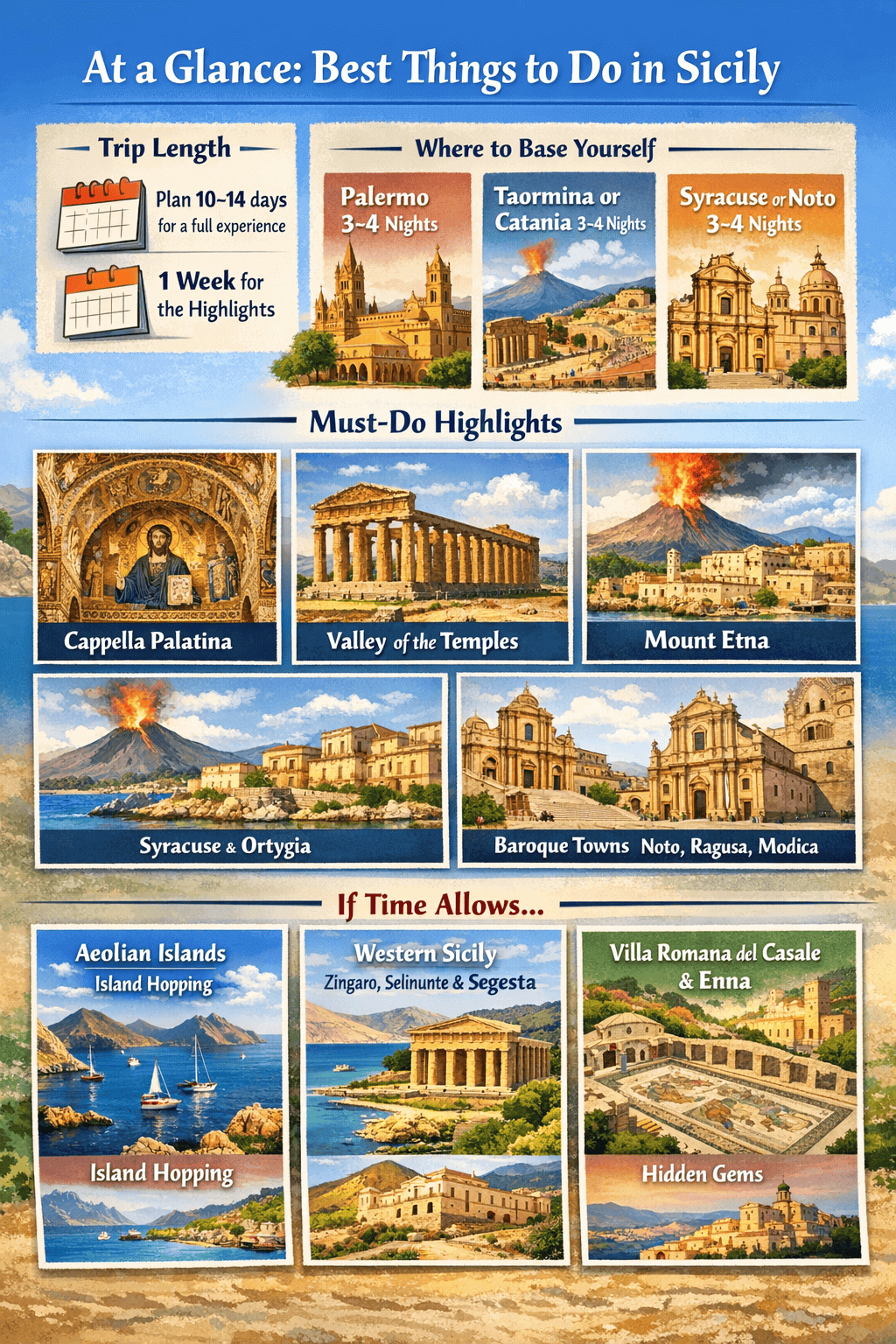 Best things to do in Sicily: Cheat sheet.
1. Palermo: Where Civilizations Converge
What better place to begin our look at the best things to do in Sicily than Palermo, the capital—a city of contradiction and synthesis, where Arab domes nestle against Norman towers and Baroque façades crumble in slow, gorgeous decay.
How to get there?
How to get there?
- Fly into Palermo Airport (Falcone-Borsellino)
- Train connections from major Sicilian cities
- Ferry services from mainland Italy
Best for:
Best for:
- Street food and markets
- Arab-Norman architecture
- Urban culture and history
Time needed:
Time needed:
- 2-3 days minimum
Main attractions:
Main attractions:
- Palatine Chapel and Norman Palace
- Palermo Cathedral
- Teatro Massimo
- Quattro Canti
- Ballarò and Vucciria markets
- Capuchin Catacombs
Nearby spots to chain:
Nearby spots to chain:
- Monreale (8 km)
- Cefalù (70 km)
- Mondello beach (12 km)
Palermo has plenty of attractions, both historical and present. Some of the most famous include:
Cappella Palatina
The Cappella Palatina arrests the breath with its Byzantine mosaics. It occupies the second floor of the Palazzo dei Normani, where Roger II held court in the twelfth century.
Palermo's Markets: Ballarò, Vucciria, Capo
In these markets, vendors hawk swordfish steaks the size of shields, pyramids of blood oranges, and trays of panelle (chickpea fritters) glistening with oil.
The markets operate as theater, with stallholders chanting their prices in a dialect thick with Arabic and Greek loan-words amid an olfactory assault of frying fish, fruit, and the sea.
Palermo Cathedral
On Palermo Cathedral's western façade, you can see eight centuries of accretion—Byzantine, Gothic, Baroque—layered upon the original Romanesque bones that Archbishop Walter Ophamil raised in 1185.
Within the Cathedral, the air grows cool and dim; marble sarcophagi held the remains of emperors and kings, their carved effigies frozen in perpetual supplication beneath the dome's distant vault.
2. Monreale: Norman Brilliance in Mosaic
The best things to do in Sicily include reckoning with its Norman legacy, that brief but brilliant flowering when Scandinavian warriors turned Mediterranean princes. The most grand place to wonder at this is Monreale Cathedral, just outside Palermo.
How to get there:
How to get there:
- 30-minute bus ride from Palermo
- Taxi or rental car from Palermo
- Organized tours from Palermo
Best for:
Best for:
- UNESCO World Heritage cathedral
- Byzantine mosaics
- Panoramic views of Palermo
Time needed:
Time needed:
- Half-day (3-4 hours)
Main attractions:
Main attractions:
- Monreale Cathedral and its golden mosaics
- Cathedral cloister
- Belvedere viewpoint
Nearby spots to chain:
Nearby spots to chain:
- Palermo
- Mondello beach
- San Martino delle Scale
Monreale Cathedral
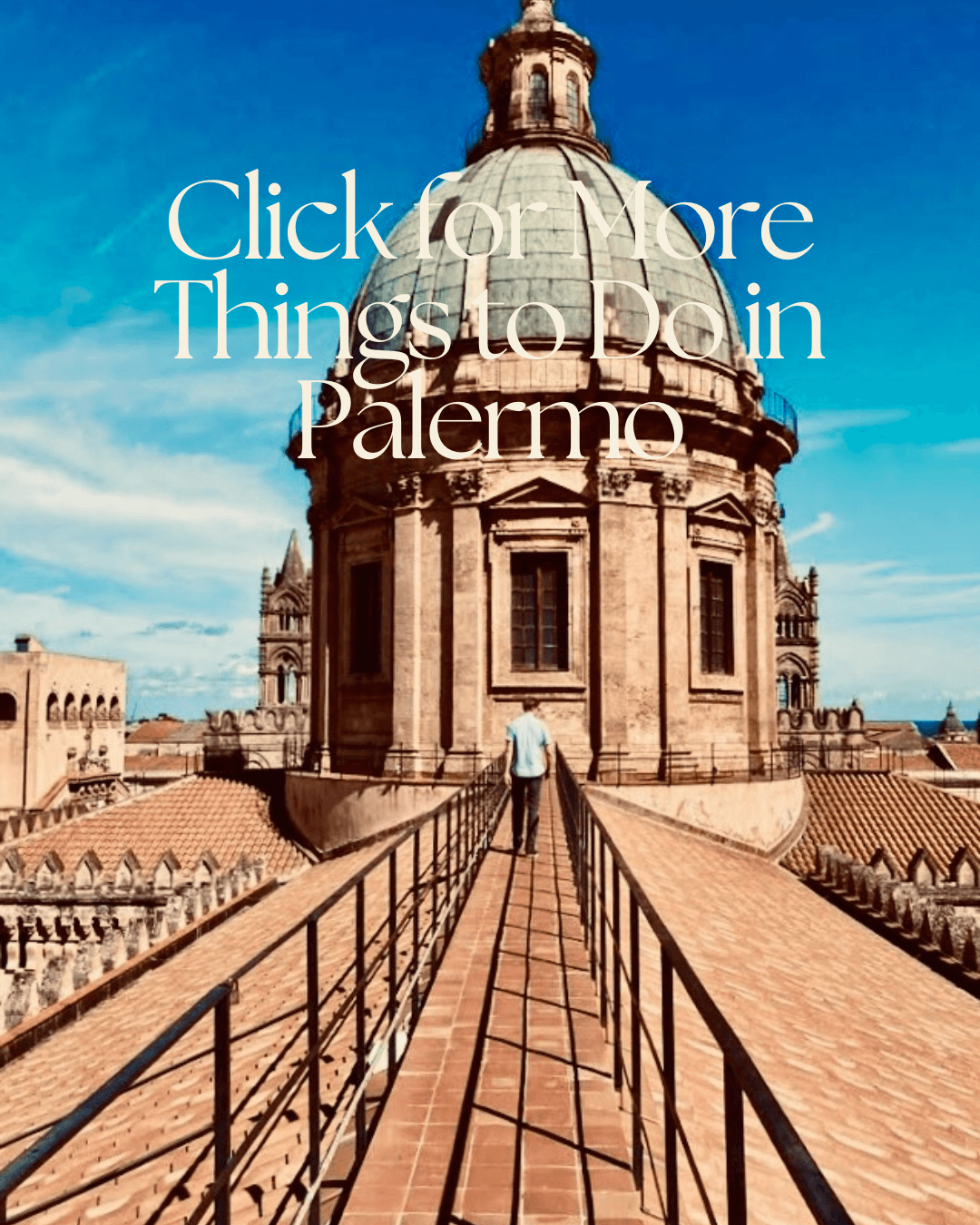
Located five miles southwest of Palermo, the Cathedral's interior blazes with mosaics covering nearly 70,000 square feet—the most extensive such program in Italy—depicting Old and New Testament scenes in a visual catechism for the illiterate faithful, while Christ Pantocrator dominates the apse, his face stern yet merciful.
3. Cefalù: Medieval Charm by the Beach
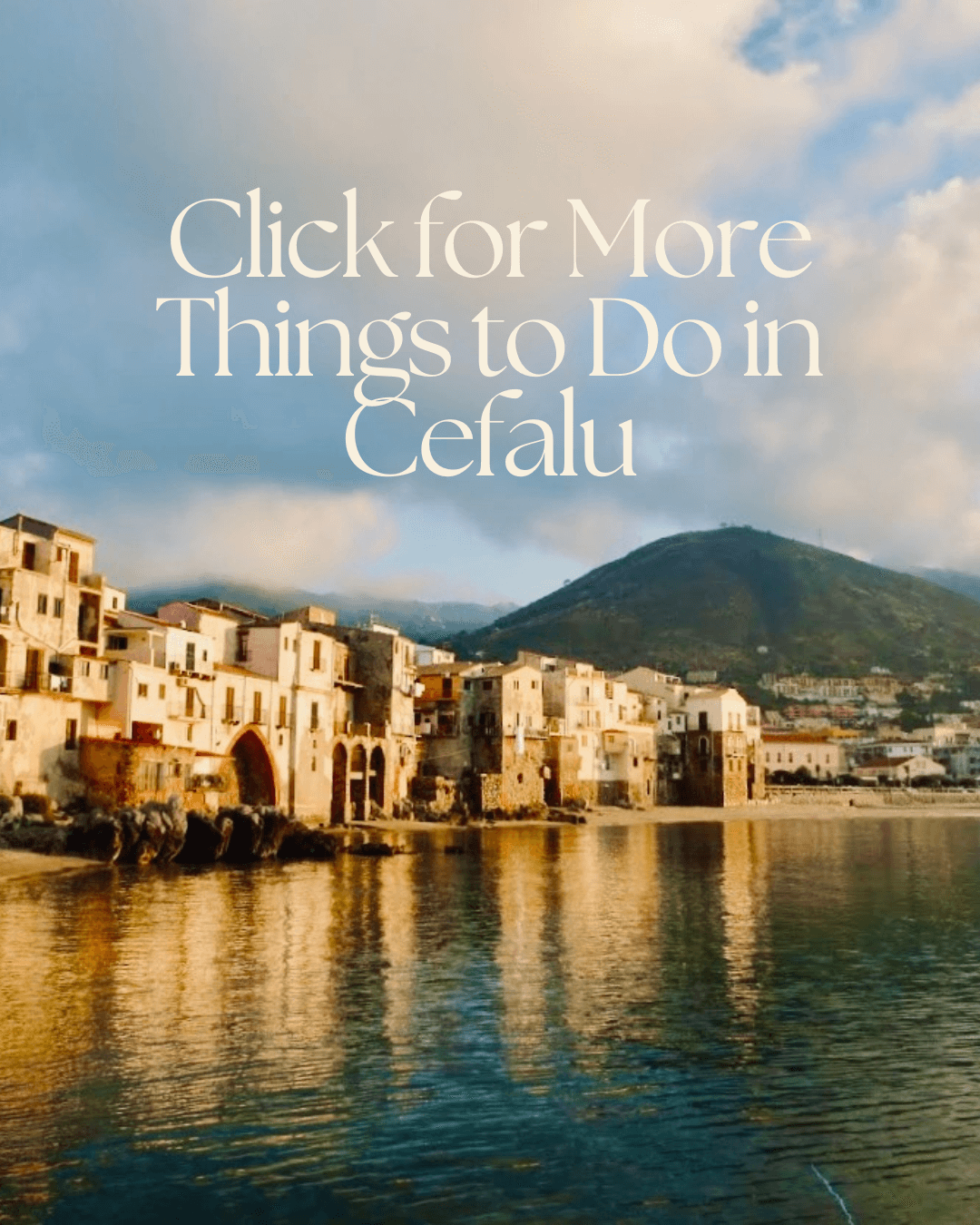
Cefalu is an old fishing port turn beach destination, a short drive from Palermo. In addition to the magnificent fine-sand beach, just next to the historical center, Cefalu's attractions include a Norman Cathedral and La Rocca with its magnificent views to the surrounding area.
How to get there:
How to get there:
- Train from Palermo (1 hour)
- Car along coastal road SS113
- Bus services from Palermo
Best for:
Best for:
- Beach town atmosphere
- Medieval architecture
- Photography
Time needed:
Time needed:
- 1 full day or overnight stay
Main attractions:
Main attractions:
- Cefalù Cathedral (Norman architecture)
- La Rocca (clifftop hike with views)
- Medieval old town streets
- Sandy beach
Nearby spots to chain:
Nearby spots to chain:
- Palermo
- Madonie Regional Park
- Castelbuono
The Town
Wedged between mountain and sea, Cefalù retains its medieval street plan—a labyrinth of alleys too narrow for vehicles—where laundry strung between balconies forms impromptu canopies and cats drowse on sun-warmed doorsteps.
Norman Cathedral
Begun in 1131, Cefalu's Cathedral rises from the medieval townscape, its twin towers flanking a façade of golden limestone, while the mosaic Christ in the apse gazes down with eyes that follow, that judge, that somehow comprehend.
The Rocca
Climb the limestone promontory looming above town for views that encompass the coastline, the Cathedral, and the Tyrrhenian's infinite blue.
4. Agrigento: Valley of the Temples
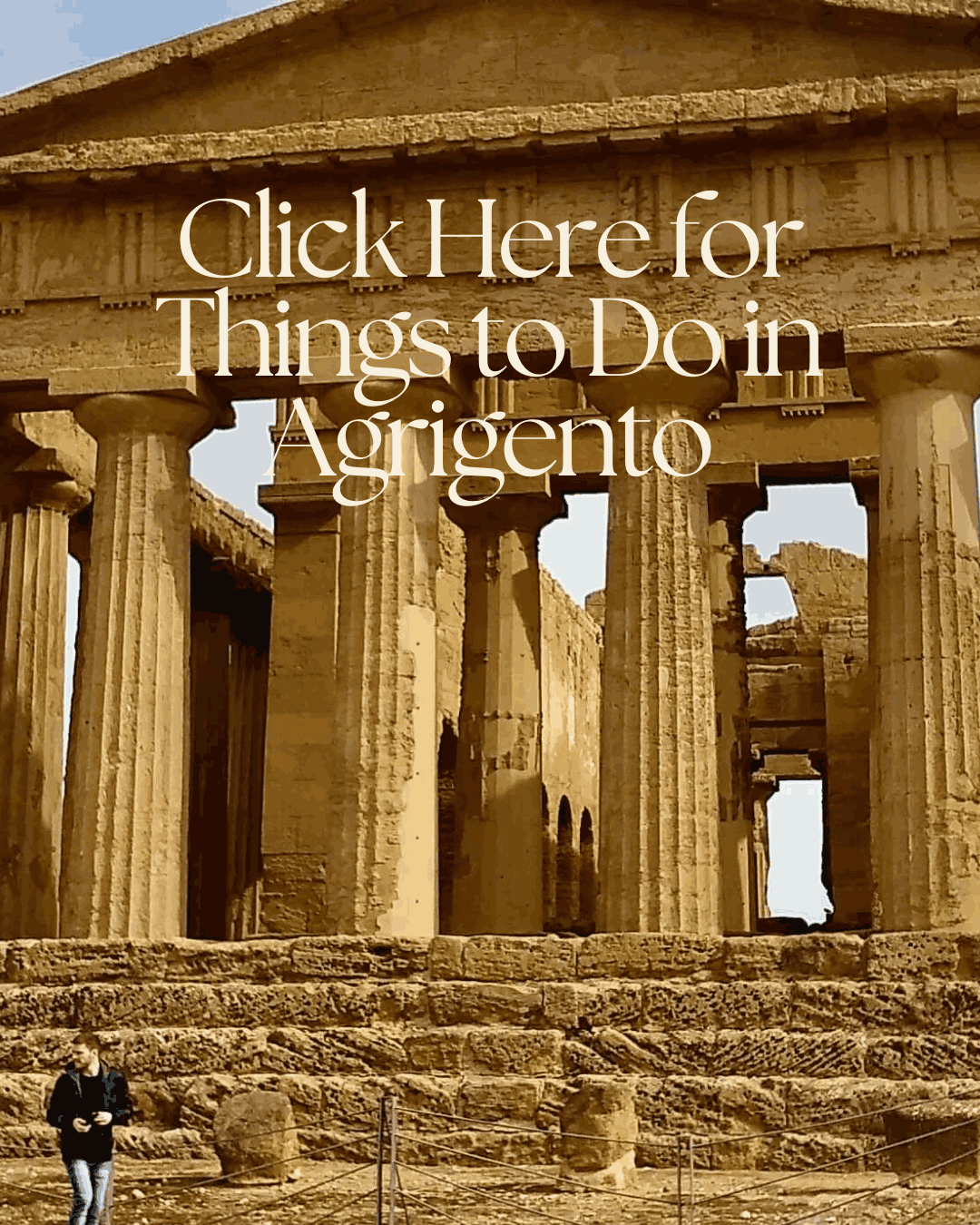
From the Palermo area, we now turn our gaze southward towards Agrigento, where Doric columns rise from the earth like petrified prayers.
How to get there:
How to get there:
- Bus from Palermo (2.5 hours)
- Train connections (limited)
- Rental car recommended
- Fly into Palermo or Catania, then drive
Best for:
Best for:
- Ancient Greek ruins
- Archaeological enthusiasts
- Sunset photography
Time needed:
Time needed:
- 1-2 days
Main attractions:
Main attractions:
- Valley of the Temples (UNESCO site)
- Archaeological Museum
- Scala dei Turchi (white cliff formations)
- Turkish Steps beach
Nearby spots to chain:
Nearby spots to chain:
- Selinunte archaeological park
- Piazza Armerina (Villa Romana del Casale)
- Western Sicily beaches
The Archaeological Site
Greek temples dating to the fifth century before the common era stand in an array along a ridge visible from the distant sea.
Walk the Sacred Way at dusk; feel the temperature drop as shadows lengthen across an archaeological park spanning eight hundred acres, where the air tastes of wild fennel and dust.
Is there anywhere on earth where the past presses so insistently against the present?
5. Mount Etna: Reckoning with the Restless Giant
Without a question, the best things to do in Sicily must include the reckoning with Mount Etna, that restless giant dominating the island's eastern flank?
How to get there:
How to get there:
- From Catania: bus, organized tours, or rental car (1 hour)
- From Taormina: tours or car (45 minutes)
- Cable car and 4x4 vehicles to higher elevations
Best for:
Best for:
- Volcano hiking
- Adventure activities
- Wine tasting (Etna DOC wines)
Time needed:
Time needed:
- Half-day to full day
Main attractions:
Main attractions:
- Summit craters (guided tours required)
- Silvestri Craters (accessible)
- Lava caves
- Rifugio Sapienza base station
- Etna wineries
Nearby spots to chain:
Nearby spots to chain:
- Taormina
- Catania
- Alcantara Gorges
- Wine route villages (Linguaglossa, Randazzo)
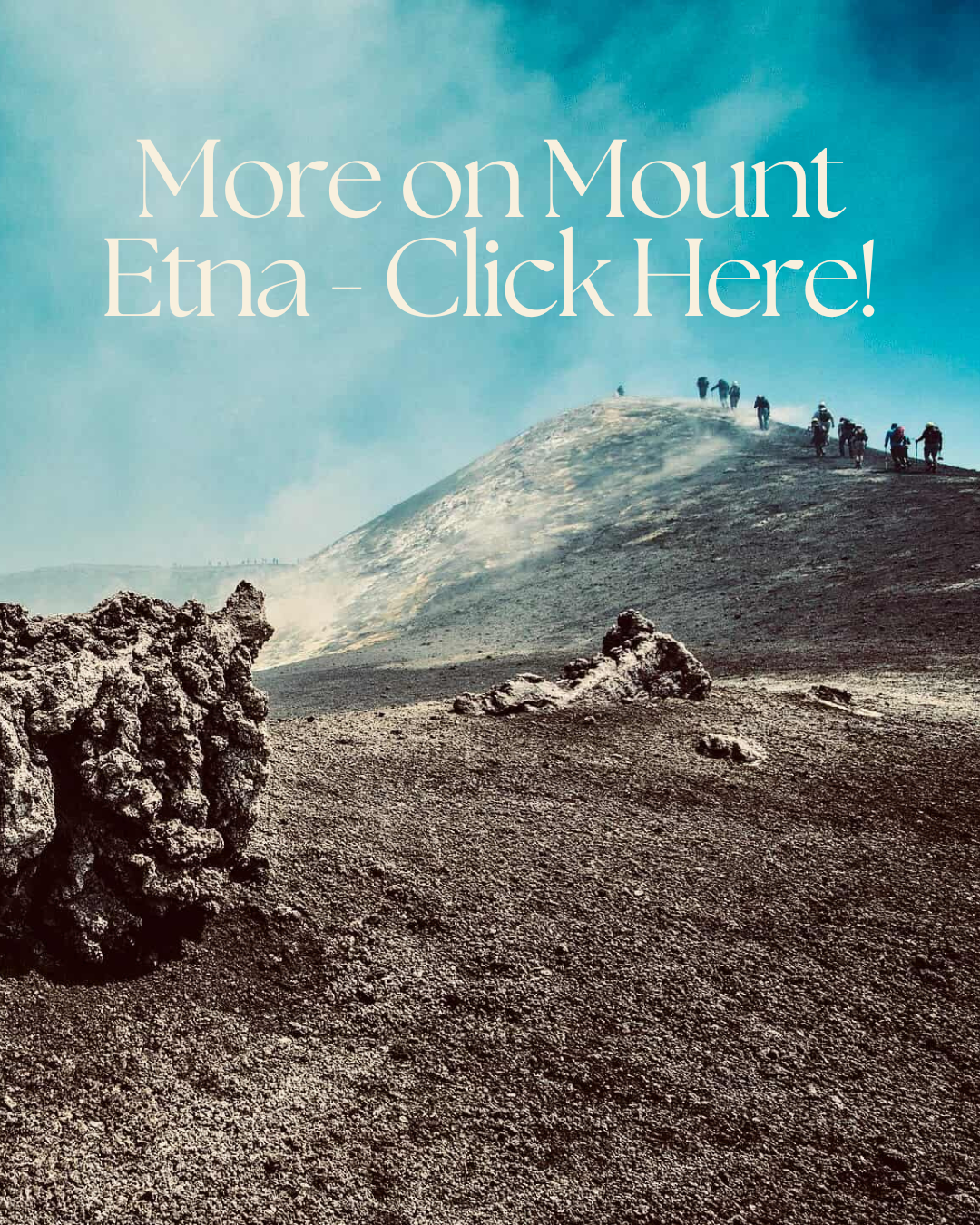
Etna rises 10,900 feet above the Ionian Sea. The ascent begins at Rifugio Sapienza, where cable cars lift you to seventy-five hundred feet before specialized four-wheel-drive vehicles grind upward through lunar landscapes of black scoria and volcanic bombs, passing fumaroles exhaling sulfurous breath.
The summit reveals a planet in the act of creation: molten rock cooling into fantastical shapes, steam vents hissing like serpents, the earth's crust thin as parchment beneath your boots.
For those more interested in hedonistic pleasures than hiking, another side of the mountain offers vineyards where one can taste world-famous Etna DOC wines.
6. Taormina: Drama Against a Volcanic Backdrop
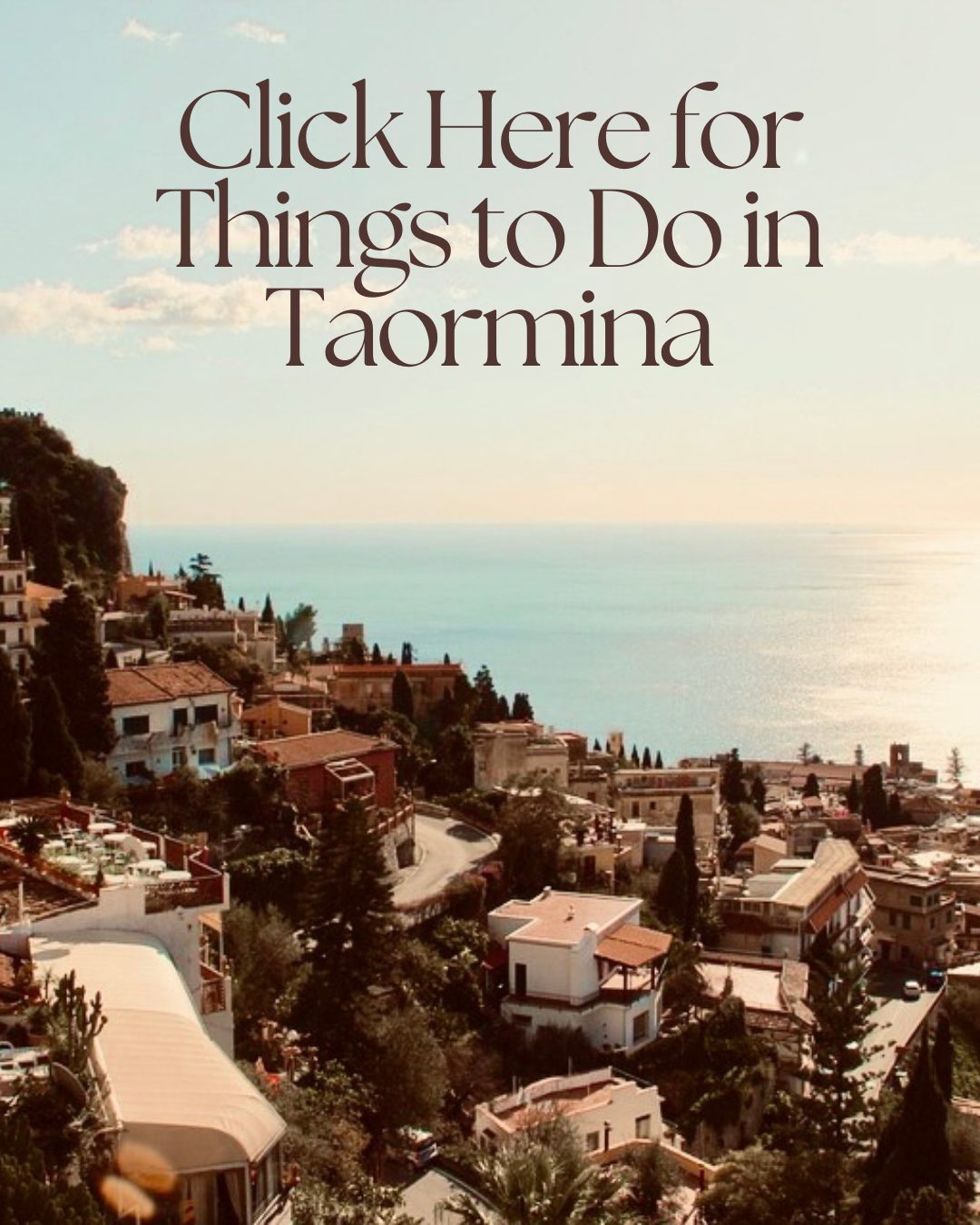
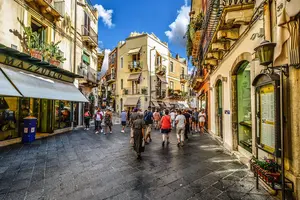
At Etna's feet, the town of Taormina clings to a terrace four hundred feet above the sea.
How to get there:
How to get there:
- Bus from Catania Airport (1.5 hours)
- Train to Taormina-Giardini station, then bus uphill
- Rental car (parking limited and expensive)
Best for:
Best for:
- Luxury tourism
- Ancient theater with views
- Upscale dining and shopping
- Beach life
Time needed:
Time needed:
- 1-2 days
Main attractions:
Main attractions:
- Ancient Greek Theater (Teatro Antico)
- Corso Umberto (main street)
- Isola Bella beach
- Public gardens (Villa Comunale)
- Views of Mount Etna and the coast
Nearby spots to chain:
Nearby spots to chain:
- Mount Etna
- Castelmola village
- Giardini Naxos beach
- Alcantara Gorges
In addition to many world-famous beaches nearby, the main attractions of Taormina include:
The Greek-Roman Theatre
Taormina's Greek-Roman theatre was first built by Greeks in ancient times and then rebuilt by the Romans in the first century. It frames Etna's snow-capped peak through an ancient stone aperture and ranks second in size only to Syracuse among Sicily's classical venues.
The ancients understood that drama requires backdrop, context, and the weight of landscape pressing against human gesture.
7. Syracuse: Where Athens Met Its Match
Syracuse, on the island's southeastern coast, once rivaled Athens in power and splendor; its ruins testify to vanished supremacy.
How to get there:
How to get there:
- Bus from Catania (1.5 hours)
- Train connections from major cities
- Rental car recommended
- Catania Airport is closest (1 hour)
Best for:
Best for:
- Ancient Greek history
- Baroque architecture
- Waterfront dining
Time needed:
Time needed:
- 2 days minimum
Main attractions:
Main attractions:
- Ortygia Island (historic center)
- Archaeological Park (Greek theater, Roman amphitheater)
- Ear of Dionysius cave
- Arethusa Fountain
- Cathedral of Syracuse
- Castello Maniace
Nearby spots to chain:
Nearby spots to chain:
- Noto and Val di Noto towns
- Vendicari Nature Reserve
- Marzamemi fishing village
Archaeological Park of Neapolis
The Greek Theatre, carved from living limestone in the fifth century BCE, could accommodate 15,000 spectators. At the same time, the Roman Amphitheatre hosted gladiatorial combat and venationes—staged hunts.
The Ear of Dionysius is a limestone cave 65 feet high, with acoustics so precise that whispers at one end carry to the other, and the stone here sweats with moisture while ferns sprout from crevices.
Ortygia
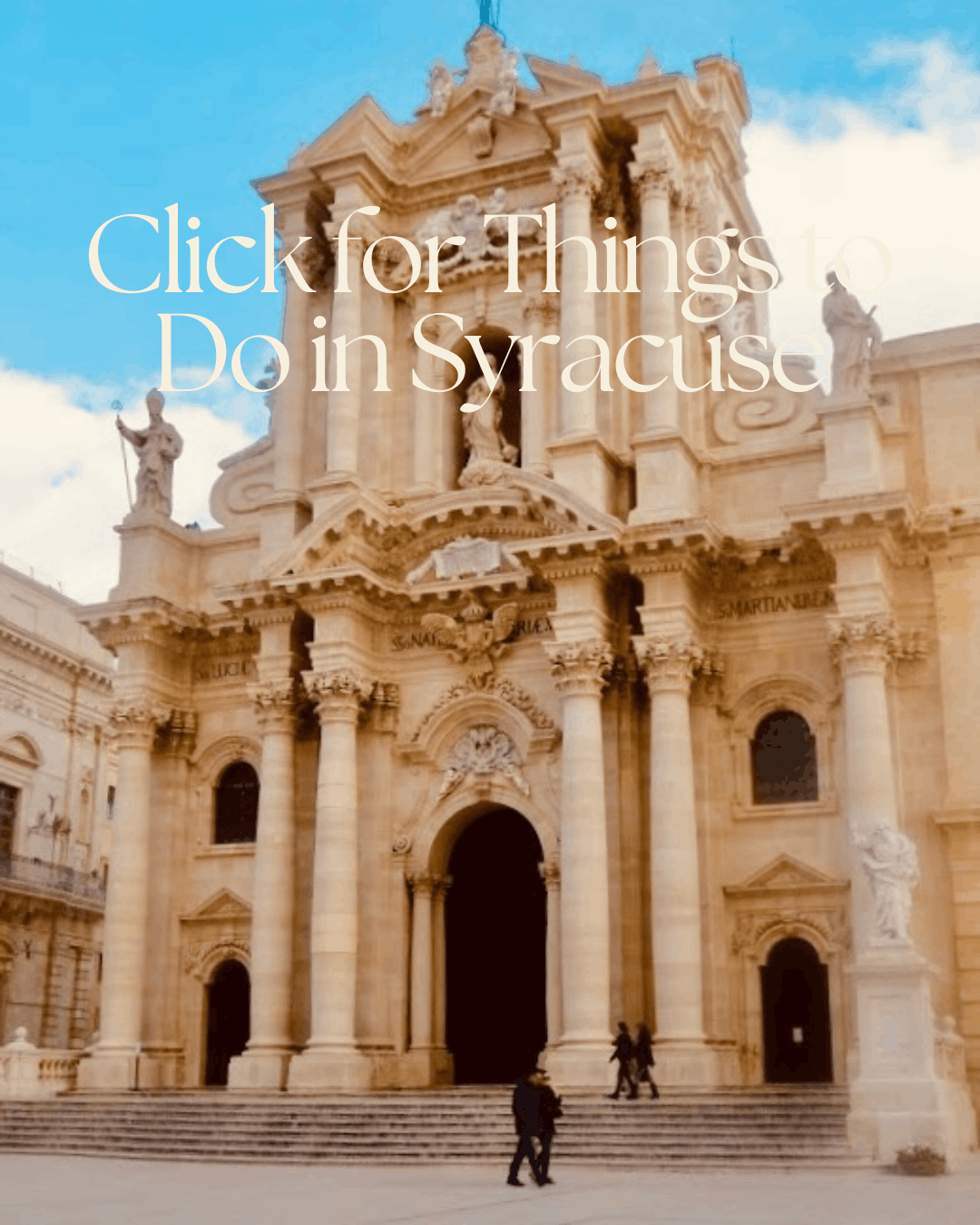
Syracuse's historic heart is an island barely half a square mile in area, where the Duomo incorporates columns of a fifth-century-BCE Temple of Athena into its Baroque façade—a palimpsest in stone.
Wander the narrow streets, and find the Fountain of Arethusa—a freshwater spring encircled by papyrus—marking where the nymph Arethusa emerged after fleeing the river god Alpheus.
Myth and geography merge here, indistinguishable.
8. The Baroque Triangle: Noto, Ragusa, and Modica
Follow the coast southward to the Baroque cities of the southeast, rebuilt after the catastrophic earthquake of 1693 in a unified style of exuberant ornament and theatrical urbanism.
How to get there:
How to get there:
- Rental car essential (towns are spread out)
- Bus connections exist, but are limited
- Base yourself in Syracuse, Noto, or Ragusa
Best for:
Best for:
- Baroque architecture (UNESCO sites)
- Food & wine tourism
- Photography
Time needed:
Time needed:
- 2-3 days to visit multiple towns
Main attractions:
Main attractions:
- Noto (baroque capital)
- Ragusa Ibla (hilltop baroque town)
- Modica (chocolate and baroque churches)
- Scicli (baroque town, Inspector Montalbano locations)
- Caltagirone (ceramic town)
- Palazzolo Acreide
Nearby spots to chain:
Nearby spots to chain:
- Syracuse
- Vendicari Nature Reserve
- Marzamemi
- Southeastern beaches
Noto: The Jewel of Sicilian Baroque
Noto unfolds along a central axis—Corso Vittorio Emanuele—lined with palaces and churches whose façades ripple with balconies, pilasters, and sculptural decoration.
The Cathedral anchors the town's central piazza, its staircase ascending in theatrical tiers. At the same time, local limestone glows amber in afternoon light, transforming the entire city into a stage set.
Visit in May, when the Infiorata carpets the cathedral steps with elaborate designs composed of flower petals.
Ragusa: Two Towns in One
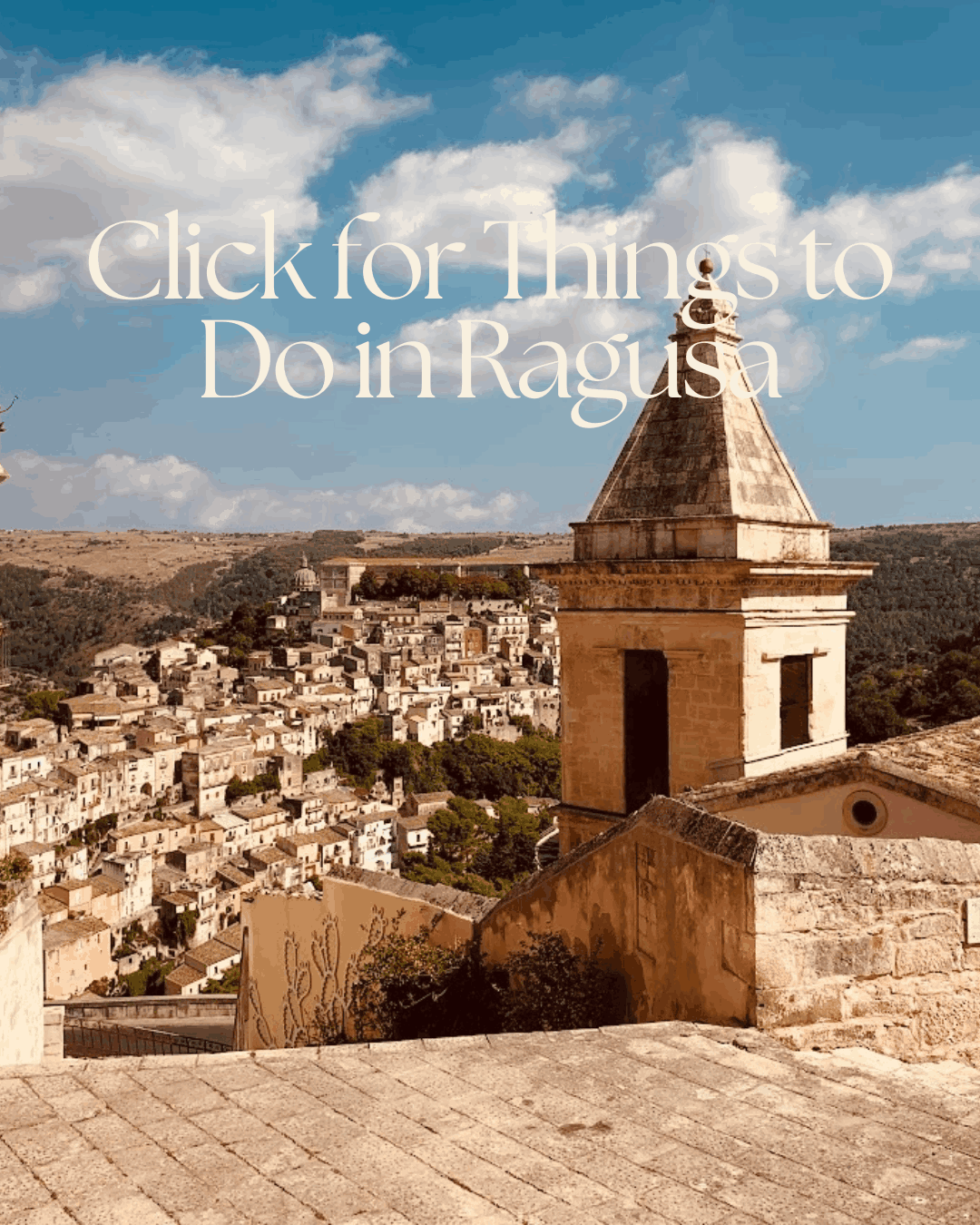
Ragusa is divided into Ragusa Superiore (the modern town) and Ragusa Ibla (the medieval heart), with Ibla cascading down a hillside, its streets and stairways connecting piazzas adorned with churches—San Giorgio, San Giuseppe, Santa Maria dell'Itria—each a masterpiece of Baroque invention.
Dine in Ibla at Michelin-recognized restaurants: pasta with sea urchin, swordfish involtini, cassata siciliana.
Modica: Chocolate and Vertical Architecture
Modica is famed for its chocolate—produced using an ancient Aztec method introduced by the Spanish—in a town where houses stack so steeply that upper floors of one building align with lower floors of the next.
Sample the chocolate, grainy with undissolved sugar, flavored with cinnamon, chili, or vanilla, and admire how churches of San Giorgio and San Pietro compete in Baroque splendor, their façades soaring above monumental staircases.
9. Western Sicily: The Road Less Traveled
The western coast, less traveled than the east, harbors treasures for those willing to venture beyond established circuits.
How to get there:
How to get there:
- Rental car highly recommended
- Base in Trapani or Marsala
- Palermo Airport, then drive west
- Bus connections are available, but time-consuming
Best for:
Best for:
- Salt pans and windmills
- Ancient ruins
- Wine tourism (Marsala)
- Beaches and islands
Time needed:
Time needed:
- 3-4 days
Main attractions:
Main attractions:
- Selinunte (Greek temples)
- Segesta (Greek temple and theater)
- Erice (medieval hilltop town)
- Trapani salt pans
- Marsala wine cellars
- Favignana and Egadi Islands
- Zingaro Nature Reserve
- Scopello and tonnara
- Mozia archaeological site
Nearby spots to chain:
Nearby spots to chain:
- Palermo
- Agrigento
- San Vito Lo Capo beach
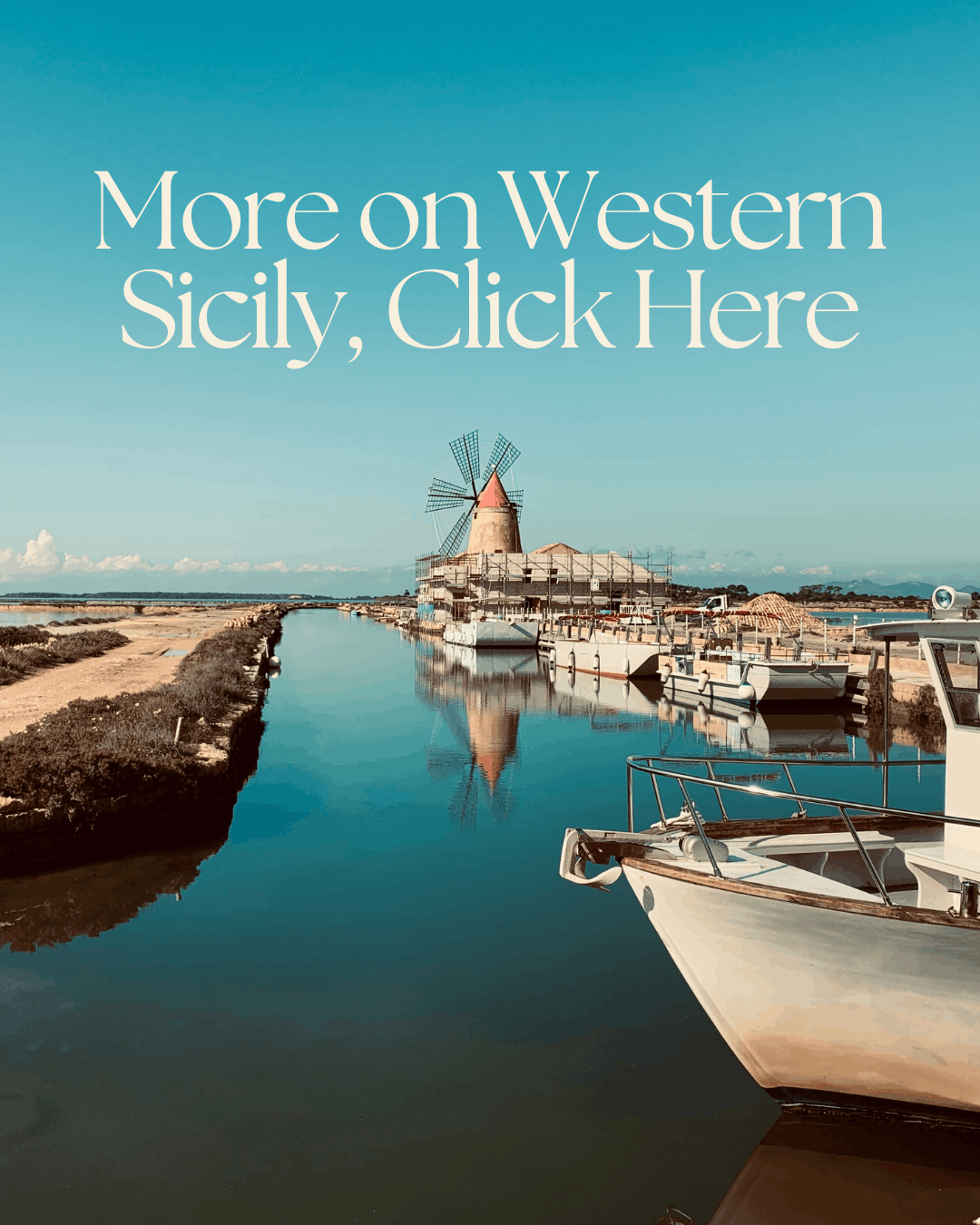
Western Sicily has multiple attractions, although many are not as famous as, say, the sights in the eastern part of the island. The most important towns to visit are Trapani, Marsala, and the medieval hilltop town of Erice. Some of the other attractions in the area are:
Zingaro Nature Reserve
Zingaro protects seven kilometers of unspoiled coastline between Scopello and San Vito lo Capo, where cliffs plunge into water of implausible clarity.
Access requires hiking along a coastal trail through Mediterranean scrubland—wild rosemary, dwarf palms, carob trees—to reach coves offering beaches of white pebbles and water grading from pale jade to deep sapphire.
Selinunte: Geometric Puzzles of Fallen Glory
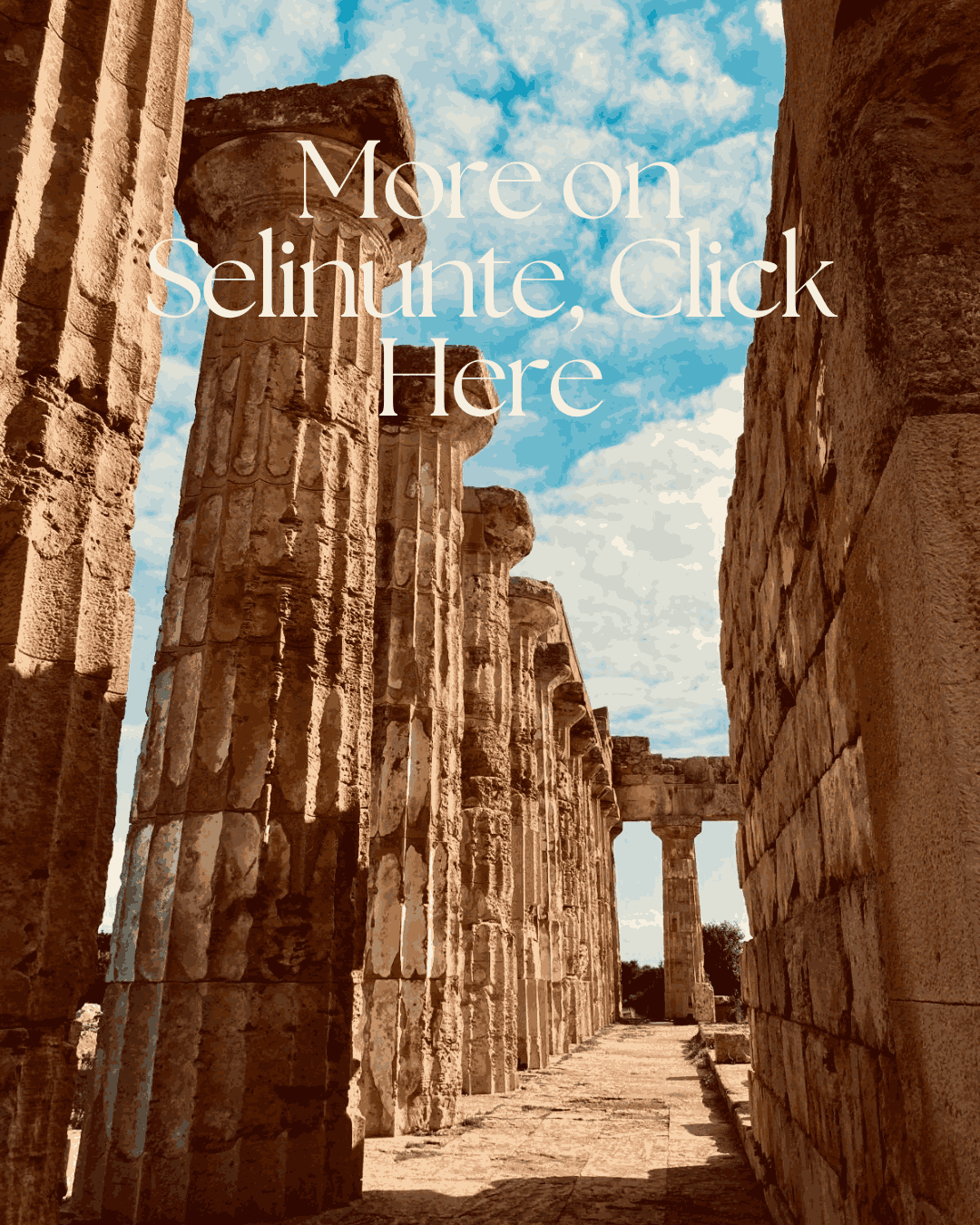
Selinunte was once among the Greek world's most powerful cities and now sprawls in ruins across a coastal plateau—nearly seven hundred acres—with temples collapsed by earthquakes into geometric puzzles of drums, capitals, and architraves.
Segesta: The Mystery of Perfection
A Doric temple stands complete and unroofed on a hilltop, its thirty-six columns supporting an entablature that never received its intended roof tiles.
Scholars debate whether it remained unfinished due to war, economic collapse, or deliberate design. A Greek theatre sits on a hilltop, oriented to encompass a panorama of mountains and valleys.
10. The Interior: Sicily's Forgotten Heart
The interior rewards the traveler who abandons the coast for hill towns, wheat fields, and silence.
How to get there:
How to get there:
- Rental car essential
- Limited public transportation
- Central location between major cities
Best for:
Best for:
- Authentic Sicilian culture
- Roman mosaics
- Off-the-beaten-path experiences
Time needed:
Time needed:
- 2-3 days
Main attractions:
Main attractions:
- Piazza Armerina (Villa Romana del Casale mosaics - UNESCO)
- Enna (the highest provincial capital, castle)
- Calascibetta
- Morgantina archaeological site
- Traditional hill towns
- Rural landscapes
Nearby spots to chain:
Nearby spots to chain:
- Agrigento
- Val di Noto towns
- Mount Etna region
- Catania or Palermo
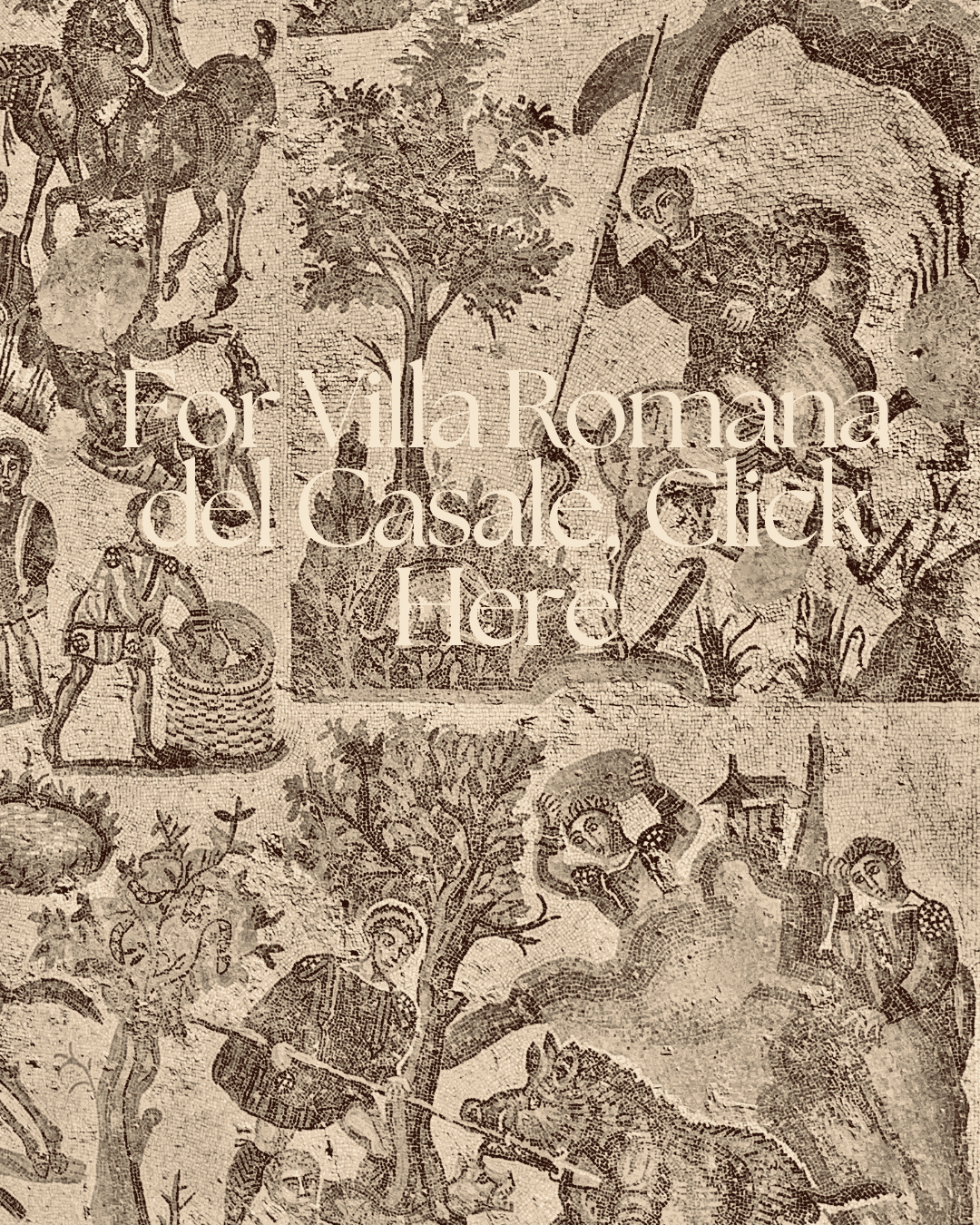
Villa Romana del Casale (Piazza Armerina)
Located at the island's geographic center, this fourth-century-CE estate boasts mosaic floors covering nearly thirty-seven thousand square feet, depicting hunting scenes, mythological episodes, and the famous "Bikini Girls"—ten female athletes engaged in discus, running, and ball games.
Buried by a medieval landslide and excavated in the twentieth century, the colors remain vivid and the compositions sophisticated. These tessellated narratives somehow survived Rome's collapse and the centuries that followed.
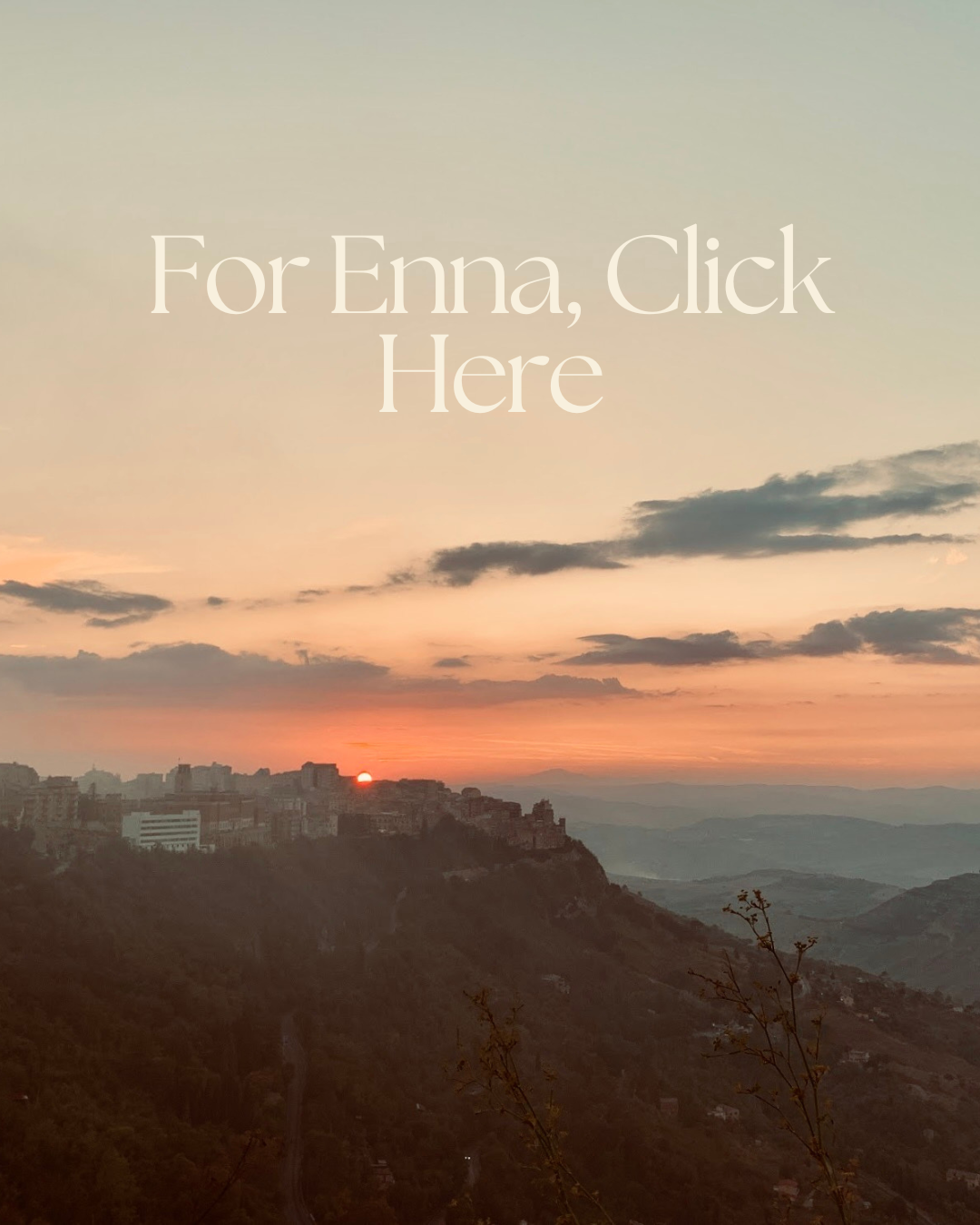
Enna: Sicily's Mountain Throne
Sicily's highest provincial capital, at 3,000 feet, Enna crowns a mountain plateau offering 360-degree views.
The medieval town clusters around the Castello di Lombardia, a Norman fortress expanded by Frederick II, and from the castle's towers, the eye ranges across the interior's patchwork of cultivation.
11. The Aeolian Islands: A Volcanic Necklace in the Sea
Last, but certainly not least, we must not forget the Aeolian Islands, that volcanic archipelago floating off Sicily's northern coast like a scattered necklace.
How to get there:
How to get there:
- Hydrofoil or ferry from Milazzo (1-2 hours depending on the island)
- Seasonal connections from Palermo, Messina, Naples
- Helicopter service available (expensive)
Best for:
Best for:
- Island hopping
- Volcanic landscapes
- Beach relaxation
- Sailing
Time needed:
Time needed:
- 3-5 days minimum (longer for multiple islands)
Main attractions:
Main attractions:
- Lipari (largest island, castle, archaeological museum)
- Vulcano (mud baths, active fumaroles)
- Stromboli (active volcano with regular eruptions)
- Salina (greenest island, Malvasia wine)
- Panarea (chic island, nightlife)
- Filicudi and Alicudi (remote, unspoiled)
Nearby spots to chain:
Nearby spots to chain:
- Milazzo (departure point)
- Taormina
- Messina
- Northern Sicily coast
Lipari, the largest and most developed island, offers pumice beaches and obsidian flows, and an Archaeological Museum spanning six millennia of habitation.
Stromboli, the northernmost island, erupts with metronomic regularity, visible after dark as the "Lighthouse of the Mediterranean." The boat tours circle the island at dusk to witness fire fountaining against the night sky.
Panarea, the smallest of the inhabited islands, attracts the fashionable and wealthy to whitewashed villas and boutique hotels perched above coves where the water glows turquoise.
Salina, the greenest of the archipelago, produces Malvasia wine and capers; its twin volcanic peaks rise symmetrically from the sea, their slopes terraced with vineyards and lemon groves.
Reach these islands by hydrofoil from Milazzo; the crossing takes between 40 minutes and 2 hours, depending on the destination.
Bonus: Dolce Far Niente - The Sweetness of Doing Nothing in Particular
Among the best things to do in Sicily, one must count simply dwelling—pausing, inhabiting, allowing the island's rhythms to supplant the frantic tempo of elsewhere.
How to Embrace It
Rent a villa in the countryside, perhaps in the Val di Noto, where olive groves and carob trees pattern the hillsides.
Wake to roosters and church bells and breakfast on fresh ricotta and blood oranges.
Spend midday hours reading in the shade while cicadas thrum their electric chorus.
In late afternoon, drive to a nearby beach—Sampieri, Calamosche, Vendicari—where the Mediterranean laps against sand or rock, its temperature in summer hovering near eighty degrees Fahrenheit.
Swim until the sun approaches the horizon, then return to the villa for dinner: pasta alla Norma, grilled vegetables, and local wine.
This is not idleness but immersion, a necessary counterpoint to the intensity of archaeological sites and Baroque cities.
Best Things to Do in Sicily: Conclusion
Sicily offers no straightforward narrative, no single story to carry home in your luggage. Instead, it presents a palimpsest—layer upon layer of conquest and creation, destruction and renewal, each civilization leaving its mark in stone, in language, in the faces of the people who still farm these volcanic slopes and fish these ancient waters.
The best things to do in Sicily aren't merely activities to tick off a list. They are invitations to witness how beauty persists despite—or perhaps because of—the passage of empires.
They ask you to stand in spaces where Phoenicians, Greeks, Romans, Byzantines, Arabs, Normans, and Spaniards all left their fingerprints, and to feel the weight of that accumulated history pressing against your own brief moment in time.
You will return from Sicily changed, carrying with you the gold of Byzantine mosaics glimpsed in dim chapel light, the taste of arancini eaten scalding on a Palermo street, the memory of standing at the rim of a volcano, as the earth exhaled its sulfurous breath.
You will carry the silence of Ortygia at siesta, the amber glow of Noto's Baroque façades, the impossible blue of the Tyrrhenian seen from Cefalù's heights.
This is Sicily's gift: not escape, but encounter. Not distraction, but depth. Not the sweetness of forgetting, but the burden—and the privilege—of remembering.
You might like these:
Main cities in Sicily: Quick Filters for Longer Stays
Skip the noisy rankings. Main cities in Sicily, explained with honest pros/cons—so you can pick Palermo, Catania, Syracuse or beyond without second‑guessing.
Things to Do in Palermo (Go Slow, Choose Well)
Things to do in Palermo, curated for slow days: choose markets vs. museums, sea walks vs. catacombs, plus Monreale, Mondello, and Cefalù by train.
Taormina: Is It Worth It on Your Sicily Itinerary?
Wondering if Taormina belongs on your Sicily trip? Explore beaches, shopping, and sights—then choose well.
Things to Do in Cefalu - The Ultimate Guide
Things to Do in Cefalu: An ancient fishing port with lively beach life - Learn all there is to know!
Things to Do in Syracuse, Sicily: A Cultural Journey Through Time
Things to Do in Syracuse: Discover what makes it such a great place to visit.


(February 1, 2026)
Want more Sicily like this?
I post short cultural threads and decision-filters for slow travelers—so you can choose experiences without spiraling.
Follow:
Contact: vesa@manyfacesofsicily.com
Recent Articles


-
Markets in Palermo: Which Fits Your Day Best?
Jul 22, 26 03:54 PM
 Choose the right markets in Palermo, from Ballarò’s full sensory rush to Il Capo’s easier flow, plus what to eat and when to go.
 -
Things to do in Catania for a Slower Stay
Apr 12, 26 02:00 PM
 Use this honest guide to things to do in Catania if you want Sicily to feel lived-in, beautiful, and easier to navigate without overplanning.
 -
Things to Do in Palermo (Go Slow, Choose Well)
Mar 24, 26 01:14 PM
 Things to do in Palermo, curated for slow days: choose markets vs. museums, sea walks vs. catacombs, plus Monreale, Mondello, and Cefalù by train.