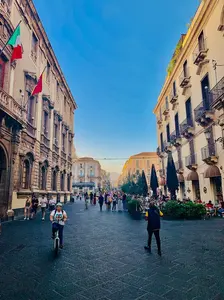
Leonardo Sciascia
- Home
- Best Time to Visit Sicily
The Best Time to Visit Sicily: The Seasonal Guide
The question of the best time to visit Sicily weighs upon every traveler dreaming of its sun-bleached temples and volcanic slopes. When does this ancient island cast its most welcoming gaze upon new arrivals?
The island stretches across 9,927 square miles of limestone cliffs, citrus groves, and baroque piazzas, and it does not yield its secrets uniformly throughout the year. Each month brings its own benediction and burden.
Spring: The Best Time to Visit Sicily for Outdoor Activities
Spring arrives in Sicily as a resurrection, a slow unfurling of almond blossoms across the Conca d'Oro and wild fennel along the coastal roads.
From March through May, temperatures hover between fifty-five and seventy-five degrees Fahrenheit, a temperate window that opens upon landscapes still verdant from winter rains.
The Valley of the Temples in Agrigento becomes framed by flowering almond trees, their petals drifting like sacred confetti across Doric columns that have stood for twenty-five centuries.
The spring months offer a liminal grace: fewer travelers throng the archaeological sites, hotel rates remain mercifully earthbound, and the island has not yet surrendered to summer's punishing glare.
Consider April, particularly, the best month to visit Sicily for those who seek equilibrium between climate and crowd, between the island's slumber and its full awakening.
Yet spring carries its own cautions and caveats.
The Mediterranean weather remains fickle in these months, prone to sudden storms that sweep across the Strait of Messina and drench the Madonie Mountains in cold rain.
The island's agricultural calendar dictates much of its rhythm in spring—this is when artichokes crown the markets in Cerda, when blood oranges still hang heavy in the groves near Catania, when the first swordfish appear in the waters off Sciacca.
If you seek to taste Sicily's terroir in its most authentic manifestation, spring grants you that.
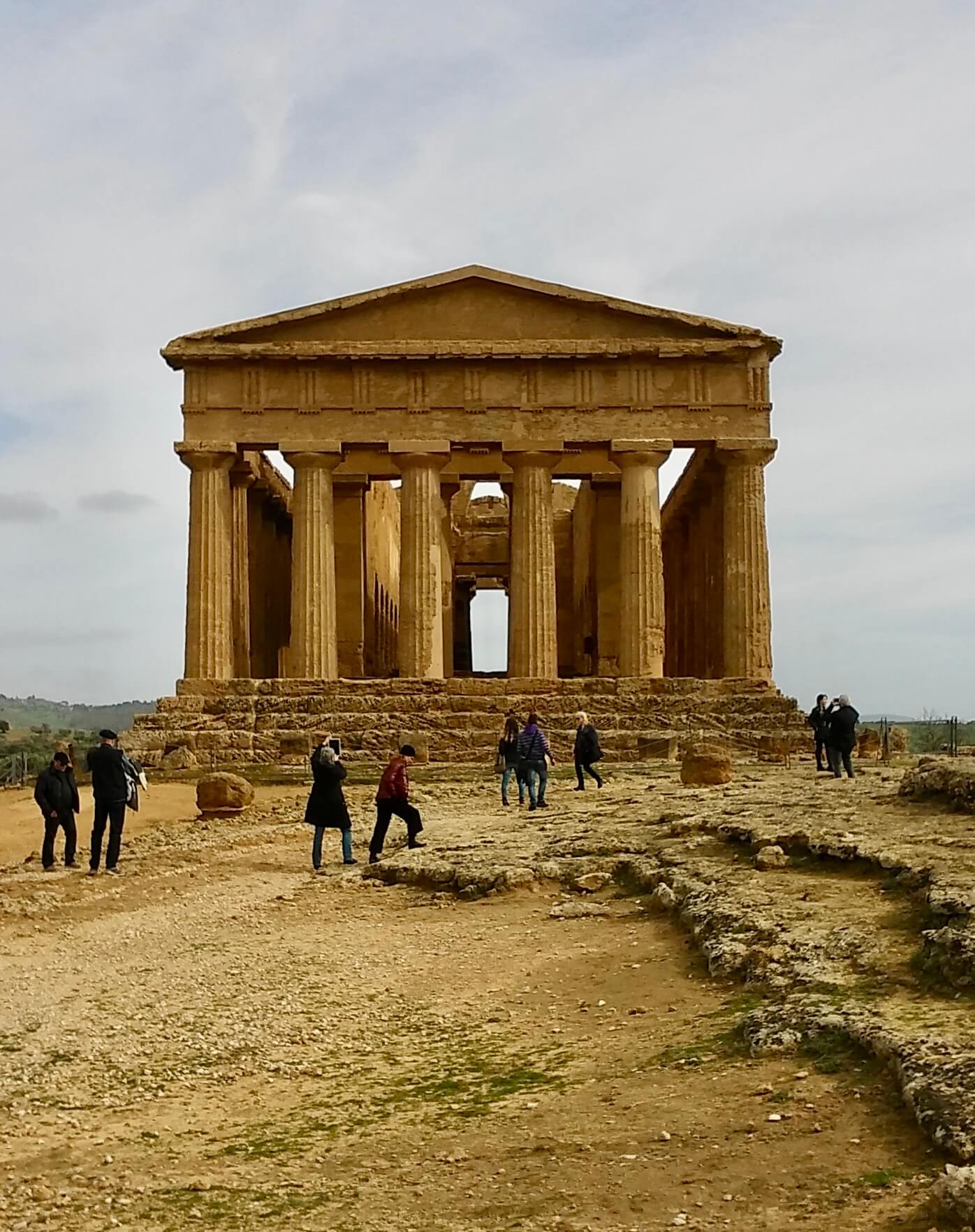 Places like Agrigento's Valley of the Temples are great places to visit outside the summer season, as it's not as crowded or unpleasantly hot then.
Summer: The Best Time to Visit Sicily for Beaches
In summer, Sicily transforms itself into a crucible of heat and light. June through August brings temperatures that routinely exceed ninety degrees Fahrenheit in the interior, while coastal cities like Taormina and Cefalù become thronged with sun-worshippers from across Europe.
The beaches are packed shoulder to shoulder with umbrellas and loungers, the sea itself a bathwater-warm eighty degrees. This is Sicily at its most gregarious and least contemplative, when the passeggiata extends until midnight and every piazza becomes an open-air theater of local life.
For those who crave the Mediterranean summer in its fullest expression, who desire long days for swimming and late nights for feasting, summer offers an undeniable vitality.
Still, it's not all party either. Sicilian summer has its own tyrannies and discomforts, too.
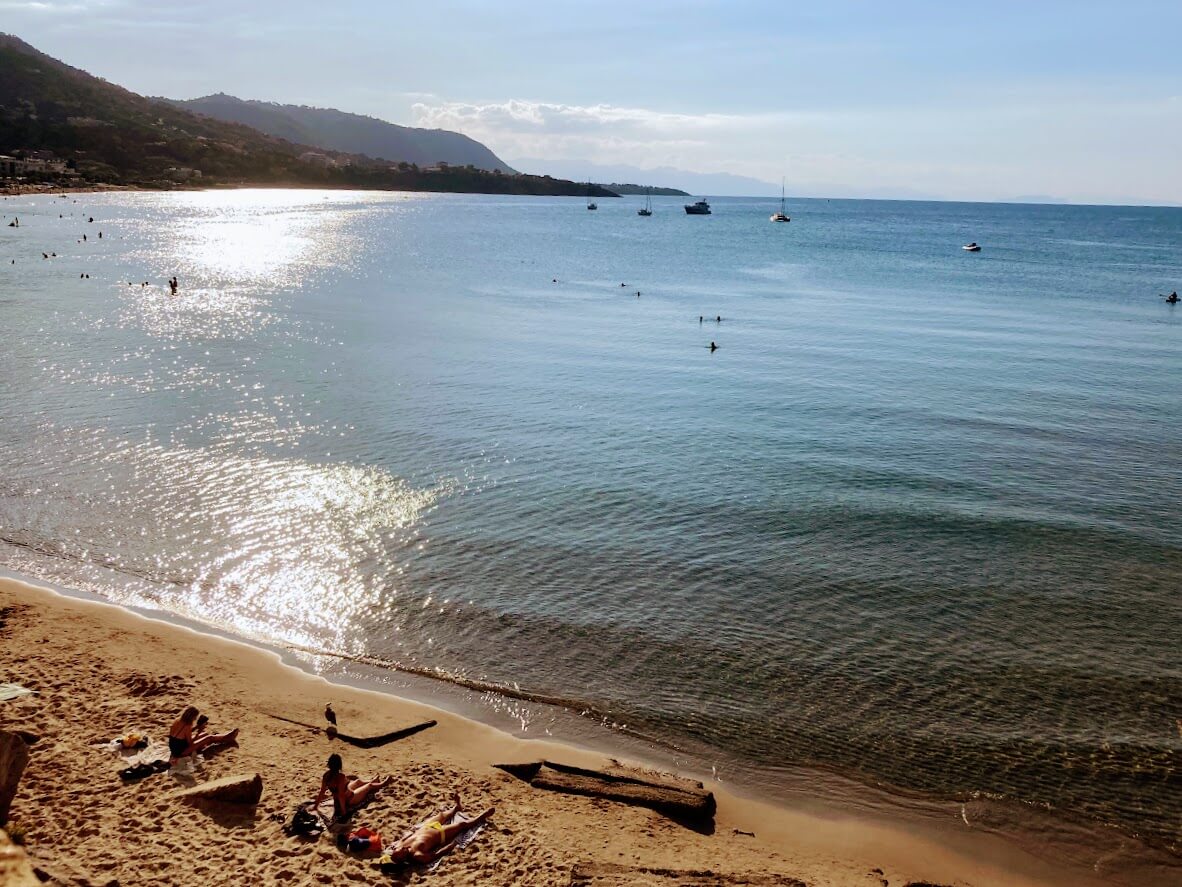 Cefalu Beach.
The heat in July and August becomes oppressive, particularly in inland cities like Enna and Caltanissetta, where the sirocco wind blows north from Africa. It carries Saharan dust and temperatures that make midday exploration an ordeal rather than a pleasure.
Ancient stone streets shimmer with heat mirage, and tourists retreat to shuttered rooms during the afternoon hours, when sensible Sicilians observe their sacred riposo.
Hotel prices surge to their annual zenith; reservations for coveted restaurants require weeks of advance planning; the archaeological parks become crowded pilgrimage sites rather than spaces for solitary reflection.
If you must visit during summer, favor the coastal zones and the higher elevations—Mount Etna's slopes, the Nebrodi forests—where altitude provides merciful respite from the lowland furnace.
Autumn in Sicily: The Harvest Season
Autumn arrives as Sicily's most generous season, a golden pause between summer's excess and winter's austerity.
September and October offer what many seasoned travelers consider the best time to visit Sicily, when temperatures moderate to a comfortable 70 to 80 degrees, and the sea retains its summer warmth.
The crowds have mainly dissipated. We watch the grape harvest unfold across the vineyards of Marsala and Vittoria, the vendemmia that transforms hillsides into scenes of ancient industry and collective labor.
The light in autumn takes on a particular quality—slanting, amber, somehow both melancholic and celebratory—that photographers and painters have long recognized as Sicily's most flattering illumination.
This is the season of festivals and harvests, of celebrating everything from pistachios in Bronte to tuna in Favignana.
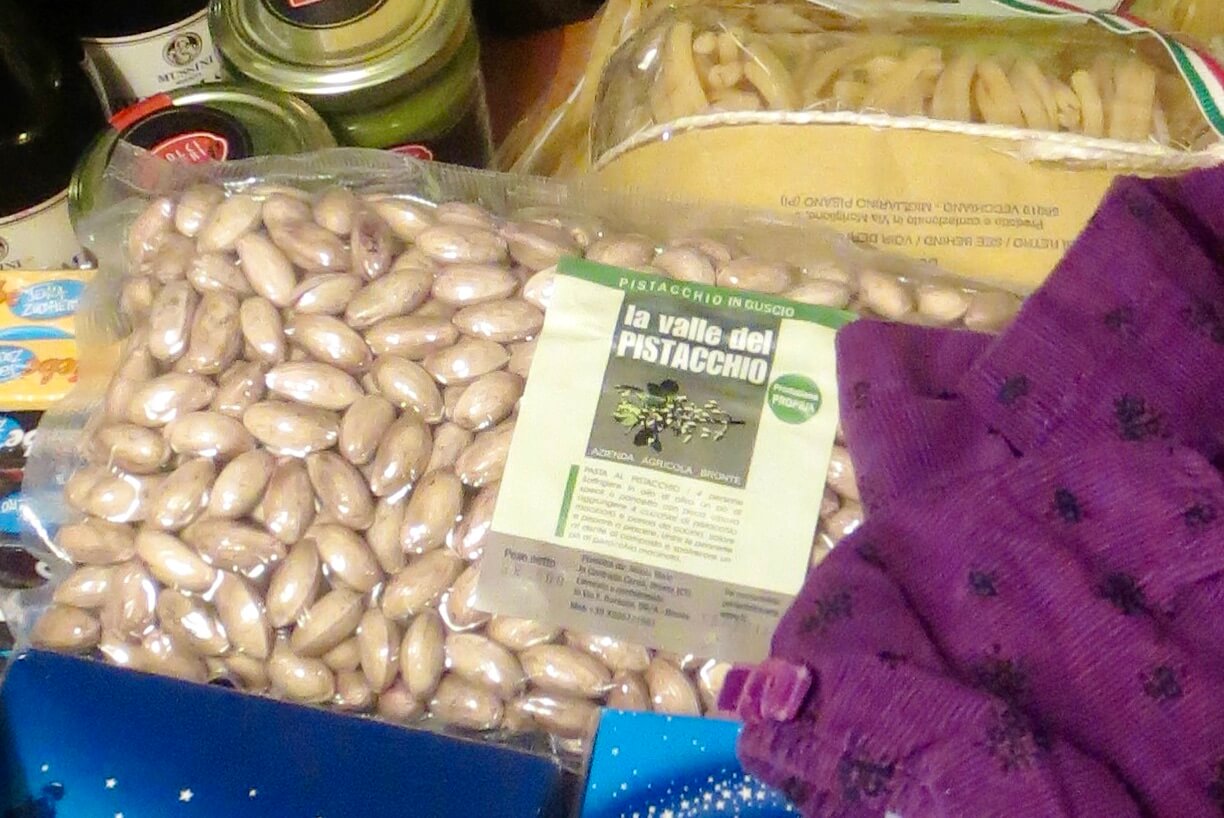 Bronte is the pistachio capital of Sicily, so if you go there, be sure to buy some.
The autumn months permit a different kind of travel, one less hurried and more contemplative. We can wander through Palermo's Vucciria market without jostling through tourist throngs, can climb to Erice's medieval ramparts and find the stone streets nearly empty, and can reserve tables at Michelin-starred restaurants with relative ease.
The sea remains swimmable through October, particularly along the southern coast, where the African current keeps the waters warm.
November brings the first substantial rains, the beginning of Sicily's wet season, but even then the island receives far less precipitation than northern Italy—perhaps three to four inches across the month, falling in brief intense bursts rather than persistent drizzle.
Winter in Sicily: When Things Slow Down
Winter transforms Sicily into something that contradicts the Mediterranean stereotype of eternal sunshine and warmth. December through February brings temperatures ranging from 45 to 60 degrees Fahrenheit in the lowlands, while Mount Etna's upper slopes accumulate enough snow for skiing.
Winter reveals the island at its most introspective, when tourism dwindles to a trickle and Sicilians reclaim their cities and towns. The baroque churches of Noto and Ragusa, the mosaics of Piazza Armerina, the Greek theater of Syracuse—all become available for unhurried contemplation.
Yet winter demands certain compromises from the traveler.
Many coastal hotels and restaurants close entirely from November through March, particularly in smaller resort towns that depend on summer trade; bus schedules to remote archaeological sites are reduced or suspended; the beaches, while still beautiful, offer little temptation for swimming in 60-degree waters.
This is Sicily stripped of its tourist veneer, raw, authentic, and occasionally melancholic. The winter months suit a particular kind of traveler—one who values solitude over convenience, who seeks cultural immersion rather than beach relaxation, who doesn't mind navigating reduced services and occasional cold rain.
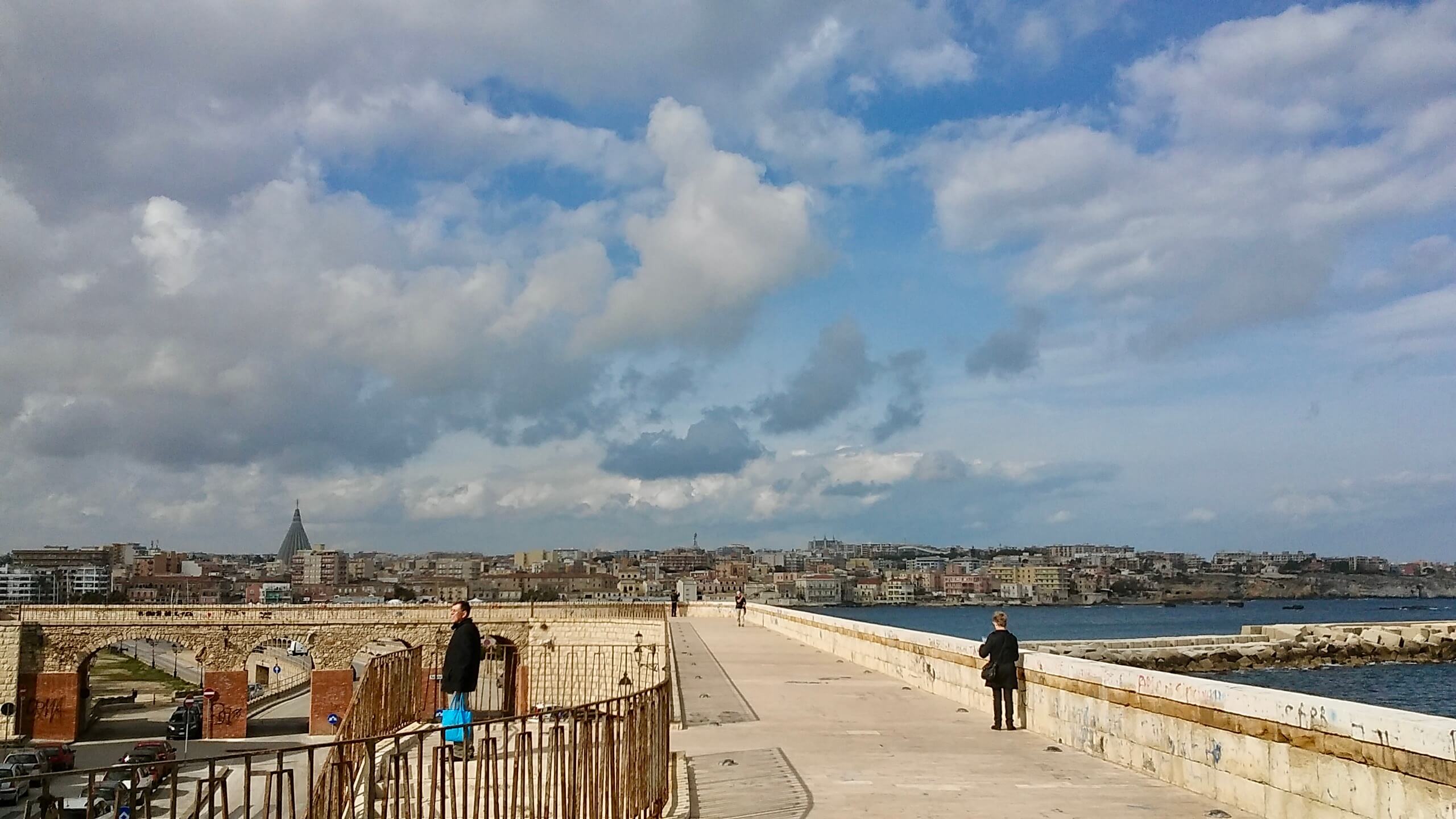 Syracuse in February. Not too cold. On sunny days quite warm, actually.
The Best Time to Visit Sicily According to Your Interests
The question of timing intersects inevitably with the question of purpose: what do you seek from Sicily? If your journey centers on archaeological wonders—the temples of Agrigento, the mosaics of Monreale, the amphitheater of Taormina—then spring and autumn are optimal times, offering comfortable temperatures for outdoor exploration and manageable crowd levels.
For those whose Sicilian dreams revolve around beaches and coastal pleasures, the calculus shifts accordingly.
The swimming season extends from late May through October, with water temperatures rising from 68 degrees in May to 80 degrees in August, then gradually declining through autumn.
June and September represent the sweet spots—warm enough for comfortable swimming, yet not so crowded or expensive as July and August.
Culinary travelers must attune themselves to Sicily's agricultural and fishing calendars, for the island's cuisine remains profoundly seasonal despite globalization's homogenizing pressures.
Each month offers its own gustatory revelations, its own celebrations of flavor and tradition.
Winter brings citrus season—the blood oranges of Catania, the lemons of Syracuse—along with wild fennel, artichokes, and the first fava beans.
Spring offers asparagus, strawberries, and the prized tuna of Favignana's mattanza, an ancient ritual slaughter held in May and June.
Summer delivers tomatoes, eggplants, and swordfish.
Autumn brings the grape harvest, mushrooms from the Nebrodi forests, and chestnuts from the slopes of Etna.
Savvy travelers can stretch their budgets significantly by visiting in November or March, accepting slightly less favorable weather in exchange for substantial savings and far fewer crowds.
The practical matter of transportation should also be considered when determining the best time to visit Sicily.
Summer brings the most frequent ferry connections to the Aeolian and Egadi islands, the most extensive bus routes to remote archaeological sites, and the most extended operating hours for cable cars and funiculars.
Winter schedules contract significantly; some island ferries reduce service to a few weekly departures; buses to places like the Villa Romana del Casale or the ruins of Segesta may run only once or twice daily.
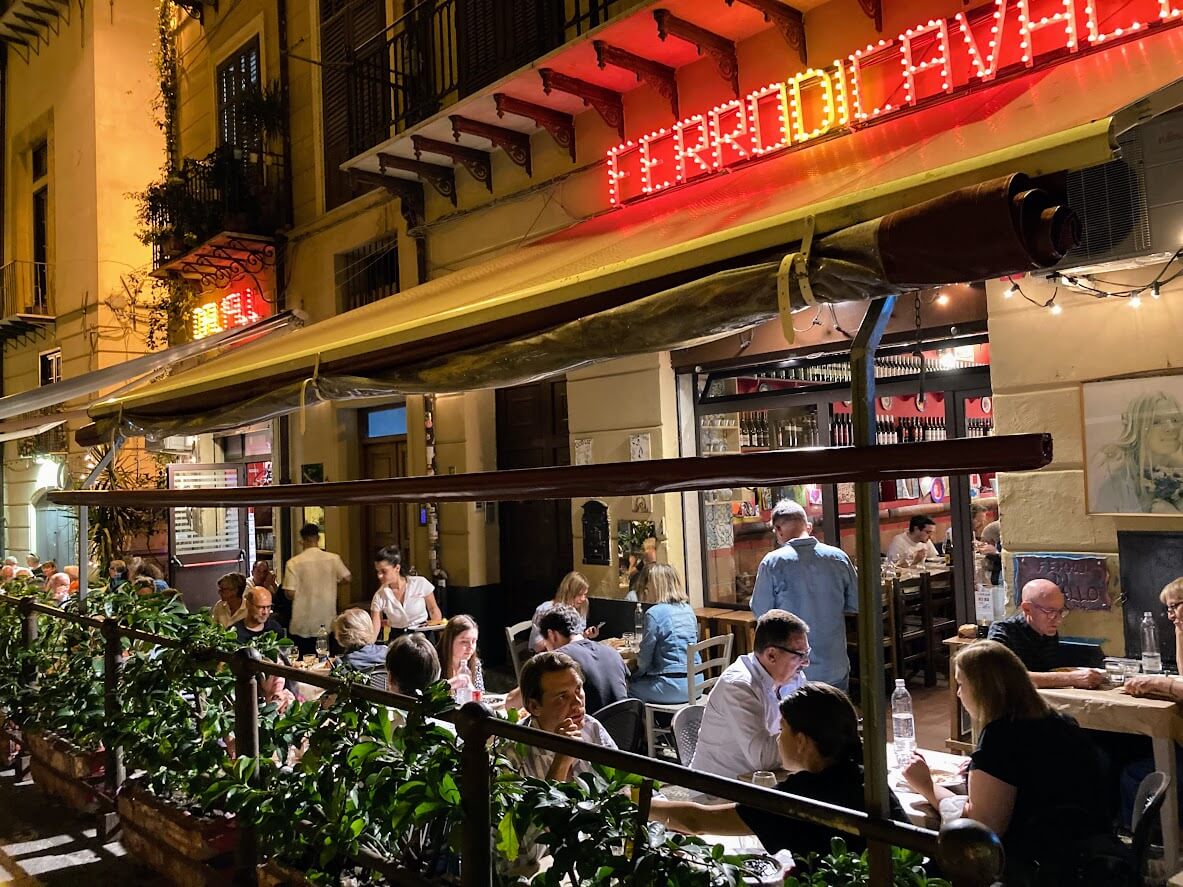 Eating out in Palermo in winter.
Conclusion
Ultimately, the question of when to visit Sicily admits no single universal answer, for the island offers different faces to different seekers across the turning year.
Every season and month possess their own particular grace and challenge, their own invitation and warning.
Spring offers renewal and moderate crowds; summer delivers heat and vitality; autumn provides harvest and ideal conditions; winter grants solitude and authenticity.
The best time to go to Sicily depends entirely upon what you seek—whether you prioritize weather or budget, crowds or culture, beaches or archaeology, festivals or solitude.
Consider your priorities carefully, study the seasonal patterns we have outlined, and then choose the window that aligns most closely with your particular excursion's purpose and character.
 Summer in Cefalu.
(December 5, 2025)
You might like these:
Sicily Weather Around the Year
Sicily weather around the year. What to expect, when and where.
Is Sicily Safe to Travel? Tips to Ensure a Safe Trip
Is Sicily safe to travel? From navigating transportation to avoiding tourist scams, we've got you covered.
Weather in Sicily in January - What to Expect, How to Prepare
Weather in Sicily in January - Tips for making the most of your winter vacation
Symbol of Sicily: Unveiling the Past, Embracing the Future
Trinacria - The Symbol of Sicily: A delve into its rich history and cultural significance
1 Euro House in Sicily - How to do it
Want to buy a 1 euro house in Sicily? Here's all you need to know.




Want more Sicily like this?
I post short cultural threads and decision-filters for slow travelers—so you can choose experiences without spiraling.
Follow:
Contact: vesa@manyfacesofsicily.com
Recent Articles


-
Markets in Palermo: Which Fits Your Day Best?
Jul 22, 26 03:54 PM
 Choose the right markets in Palermo, from Ballarò’s full sensory rush to Il Capo’s easier flow, plus what to eat and when to go.
 -
Things to do in Catania for a Slower Stay
Apr 12, 26 02:00 PM
 Use this honest guide to things to do in Catania if you want Sicily to feel lived-in, beautiful, and easier to navigate without overplanning.
 -
Things to Do in Palermo (Go Slow, Choose Well)
Mar 24, 26 01:14 PM
 Things to do in Palermo, curated for slow days: choose markets vs. museums, sea walks vs. catacombs, plus Monreale, Mondello, and Cefalù by train.