Leonardo Sciascia
- Home
- Car Rental in Sicily
Car Rental in Sicily: a traveler's guide
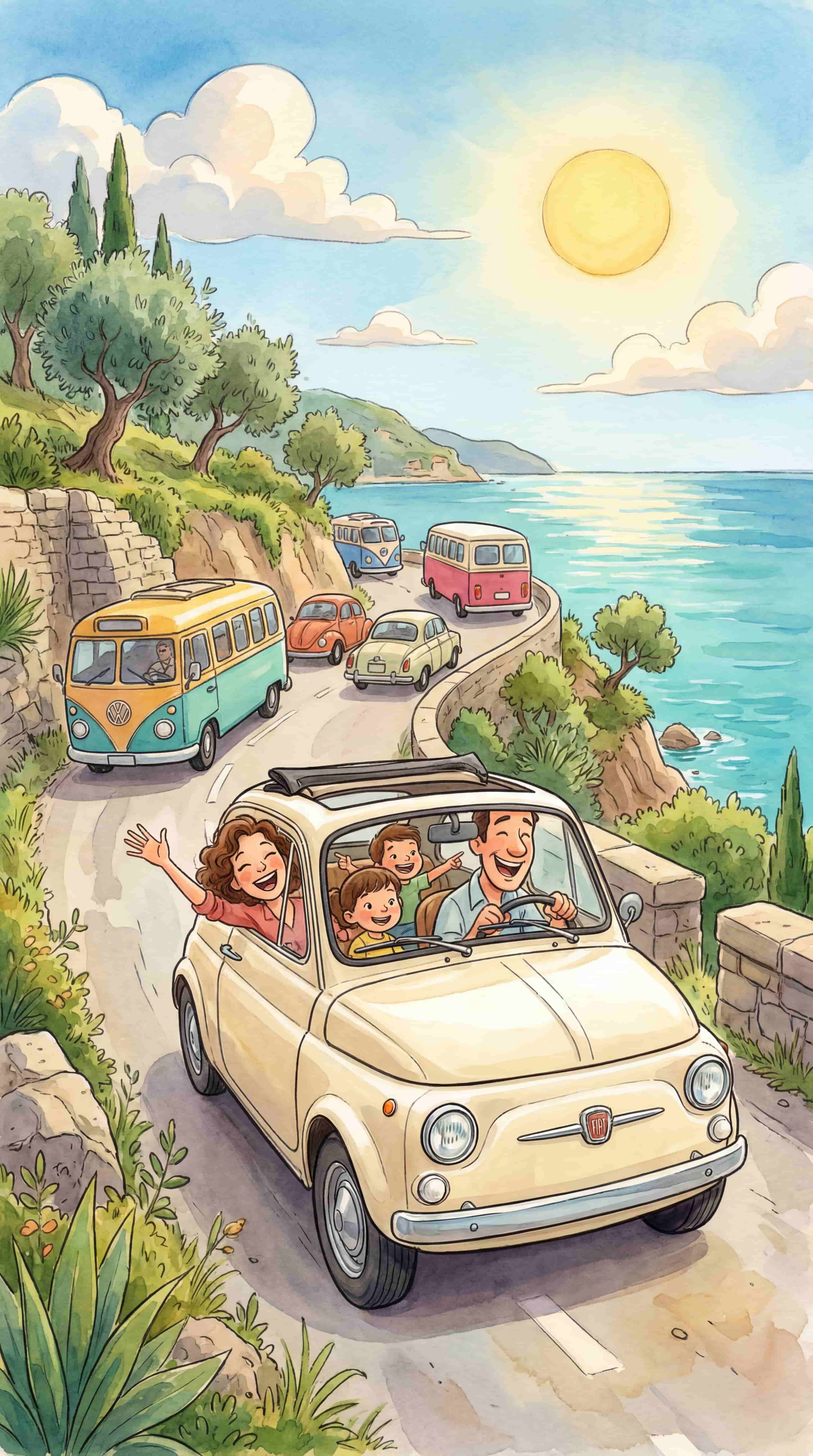
On paper, car rental in Sicily looks like pure freedom: no bus timetables, no rushed group tours, just you, the open road, and a tiny Fiat threading through stone-walled lanes in Erice or Ragusa Ibla.
In reality, that choice shapes everything from your budget and itinerary to how relaxed you feel when a scooter appears out of nowhere on a mountain hairpin.
This guide walks you through how rentals actually work on the island—costs, insurance, documents, safety, parking, and road rules—so you can decide with clear eyes whether to take the wheel or leave Sicily's driving to someone else.
You'll see when a car is worth it, when it isn't, and how to avoid the common pitfalls that turn a dream road trip into an expensive headache.
How to Rent a Car in Sicily?
The car rental in Sicily operates through the usual channels. Yet, the island's character imposes its own conditions on the pact.
International agencies—Hertz, Europcar, Avis, Sixt, Budget—maintain offices at Palermo's Falcone-Borsellino Airport and Catania's Fontanarossa Airport.
Local operators, such as Sicily by Car and Maggiore, offer alternatives, sometimes gentler on the wallet and occasionally more flexible with their insurance and mileage policies.
The best way to start your car rental journey is to book online, weeks or months before you set foot on Sicilian soil.
Before doing so, consider the car's size, the duration of your trip, and some potential problems you might encounter on the road.
Things to Consider When Renting A Car in Sicily
Size
First, let's consider the car's size. Sicily's geography punishes the grandiose and rewards the compact. Those narrow village streets—in Erice, Ragusa Ibla, or Savoca, to name a few—were laid down in times when donkeys set the standard for width.
A modern SUV becomes an instrument of frustration, scraping mirrors against stone walls, executing seventeen-point turns in spaces designed for three.
A small car, something in the Fiat Panda or Lancia Ypsilon category, slips through these constrictions like water through fingers, parks in gaps that larger vehicles cannot, and consumes fuel with admirable efficiency.
If you travel with family and a lot of luggage, you may need a larger vessel despite its drawbacks. The compromise—a compact sedan or small wagon—often proves the wisest choice, offering adequate space without too much of an ordeal.
Transmission
Then there is the question of transmission types. While automatic gearboxes have become more common, manual transmissions still dominate the Sicilian rental fleet.
If you are competent with a clutch and gear lever, you expand your options and often reduce your cost; if not, you must specify an automatic transmission when booking and accept both the higher price and the reduced selection.
The hills and mountains make this choice consequential—a manual transmission on Etna's slopes, in the hands of the inexperienced, becomes an instrument of anxiety. Or worse.
Consider your own capabilities honestly; false bravado serves no purpose when you're halted on a 30-degree incline with a bus looming in your rearview mirror.
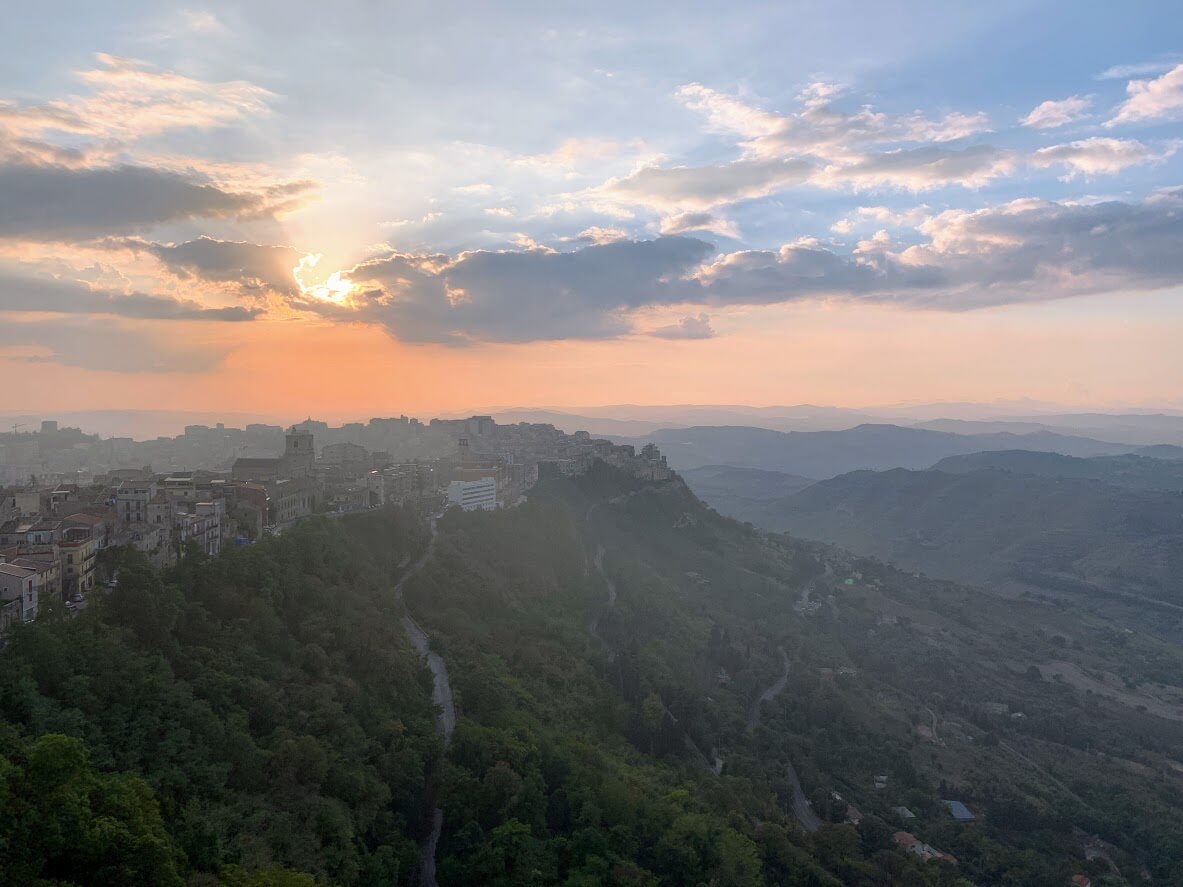 Central Sicily is one of the places where renting a car makes your life a lot easier. To Enna you can easily get by public transport, but connections to other towns in the region are limited.
Typical Costs and Price Ranges for Car Rental in Sicily
The time of your rental—its duration and the season of your stay—has a significant impact on both price and experience.
Time of the Year
Summer sees prices swell and availability contract; book months in advance or face slim pickings and inflated rates.
Winter and early spring offer the inverse: abundant vehicles, negotiable prices, less congested roads, though some mountain passes may close when snow descends, and certain coastal establishments shutter until Easter's resurrection.
The shoulder seasons—April through May, September through October—present the golden mean: weather still benign, crowds diminished, prices reasonable, the island revealing itself in a gentler aspect than summer's harsh sun permits.
For the prices, July and August demand is typically 70 to 120 euros per day, while November and February offer discounts at 30 to 50 euros.
How Many Days?
A week's rental typically costs less per day than three days, and two weeks less still; the agencies reward commitment with discounts, though you must weigh this against whether you genuinely need a car for your entire stay or might combine a few car-free days in places like Palermo or Syracuse with a rental period focused on rural exploration.
Where to Rent (and Where to Return)
The pickup and return locations shape your trip's construction, and here, flexibility comes at a price.
Collecting your vehicle at Palermo airport and returning it to Catania, or vice versa, eliminates circular routes, giving you greater travel flexibility. Still, one-way fees can add 50 to 150 euros to your bill.
Some travelers solve this by structuring their journey as a loop—Palermo to Agrigento to Syracuse to Taormina to Cefalù, and back to Palermo, for example.
Or you can accept the fee as the cost of your freedom, valuing the ability to fly into one airport and out of another, without retracing steps.
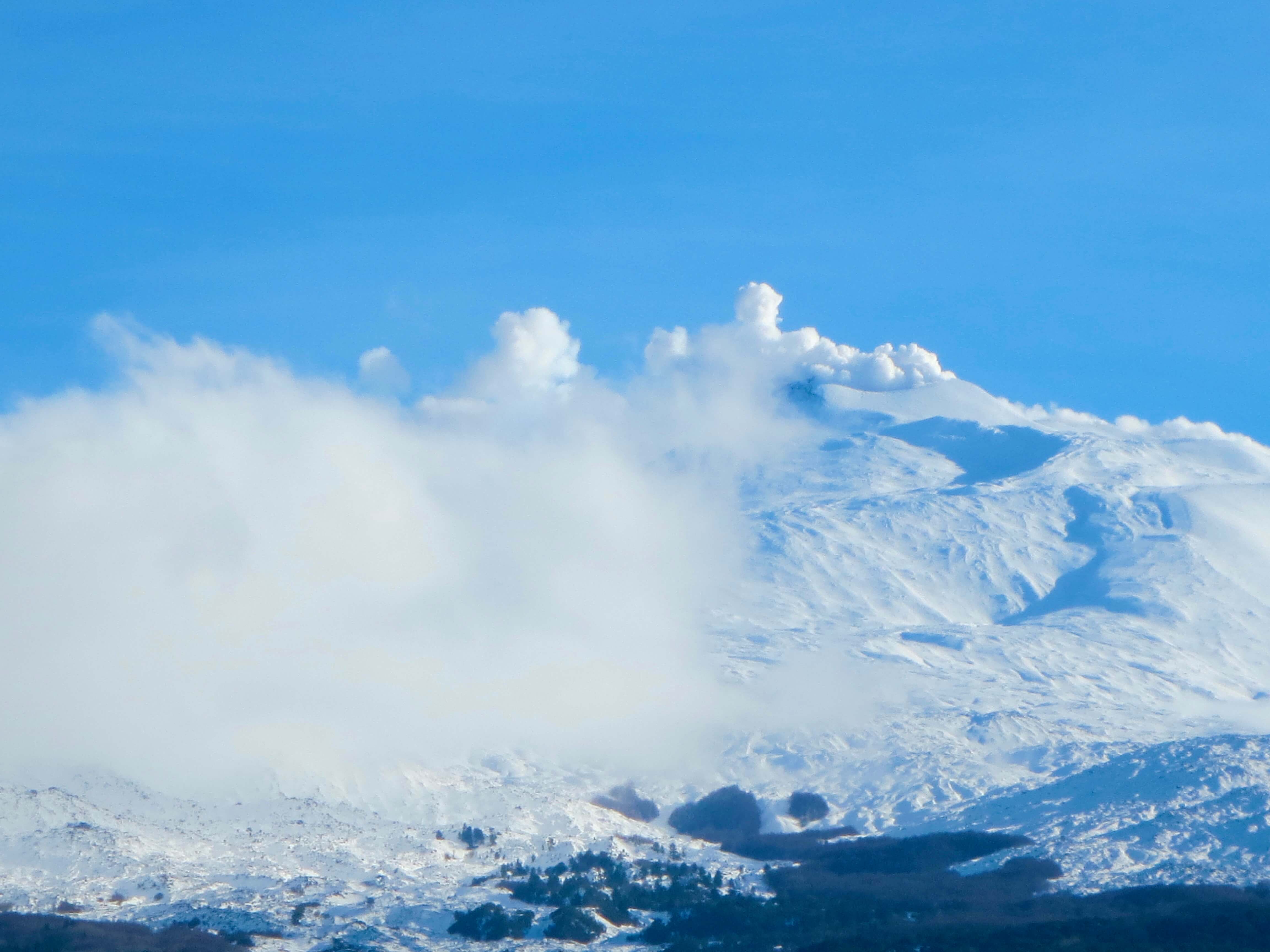 In the mountains, be prepared for snow in winter.
Looking for Bargains?
For low prices, you often need to do further investigation, as advertised rates rarely cover the full cost. Base rates seduce with their modesty, but then come the supplements: additional drivers, GPS navigation systems, child seats, and the option to return the vehicle to a location other than the pickup location.
Fuel policies vary—some agencies deliver the car with a full tank and expect it returned in the same state, a fair arrangement; others employ the "full-to-empty" scheme, charging you for a full tank upfront and expecting nothing back.
This bargain favors only the forgetful or the rushed.
Fuel
Fuel in Sicily flows from pumps marked with familiar logos—Eni, IP, Q8, Tamoil—and costs between 1.70 and 2.00 euros per liter. This figure makes Americans blanch and Europeans shrug.
Diesel (gasolio) typically costs slightly less than gasoline (benzina). If your rental runs on the former, you'll get more kilometers per euro.
Self-service pumps offer minor discounts compared to full-service.
However, many stations close in the evening and on Sundays, and their pumps accept only credit cards with chip-and-PIN technology.
In remote areas, stations grow sparse—crossing the interior from north to south, you may traverse fifty kilometers between opportunities to refuel—so maintain a policy of filling the tank when it reaches half-empty rather than gambling on finding the next pump.
Is It Safe to Drive in Sicily?
"Is it safe to drive a car in Sicily?" is an often-heard question, for which there is no easy answer. In travel forums, you can hear testimonies both for and against driving your own vehicle.
Safety depends less on the island's inherent dangers than on your own driving capacities.
The Sicilian driver has a relationship with traffic laws that might be described as interpretive; stop signs become suggestions, lane markings decorative flourishes, and the space between vehicles compresses to dimensions that would alarm the more Northern person.
The roads themselves range from the autostrada's smooth asphalt, with modest tolls, to the narrow provincial streets that wind through the mountains, their surfaces cratered by neglect or winter rains.
The accidents involving tourists are typically caused by miscalculation: the hairpin turn taken too swiftly, the narrow village street misjudged, the scooter that seems to materialize from nowhere.
The mountains impose their own demands on the driver, their serpentine ascents requiring attentiveness and a steady hand on the wheel. Think of the Madonie range near the northern coast, the Nebrodi that stretch eastward, and the slopes of Mount Etna.
It is a good practice to sound your horn before blind corners. It might seem outlandish until you meet a produce truck hurtling downward with the confidence of a bull in a spring pasture.
Parking in historic centers presents its own challenges; many towns have banned vehicles from their ancient cores, establishing ZTL (Zone a Traffico Limitato) zones where cameras record violations and fines arrive months later, like delayed curses.
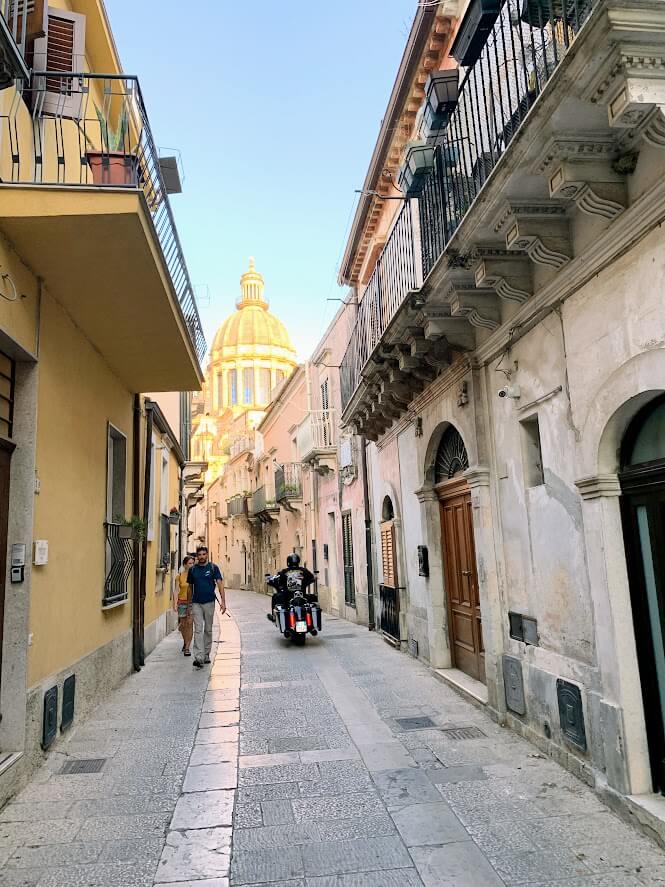 Streets in historical centers are often narrow, and some areas are completely closed to cars.
Driving Culture in Sicily
The cultural dimensions of Sicilian driving extend beyond mere traffic patterns into the realm of gesture and honor, where the horn serves as punctuation and the hand as exclamation.
A brief beep announces your presence at a blind corner or greets a friend spotted on the sidewalk; a sustained blast expresses displeasure or urgency; a rhythmic series celebrates a wedding procession.
Hand gestures range from the benign wave of thanks to the emphatic articulations of frustration, and while you need not master this vocabulary, recognizing its existence prevents misunderstanding.
Sicilians drive with passion rather than precision, with confidence rather than caution, and they expect others to claim their space, to assert their intentions, to participate in the dance rather than timidly observe from the wings.
This does not mean recklessness—it means decisiveness, the willingness to merge, to overtake when the opportunity presents itself, to proceed through the intersection when your turn arrives rather than deferring endlessly to others.
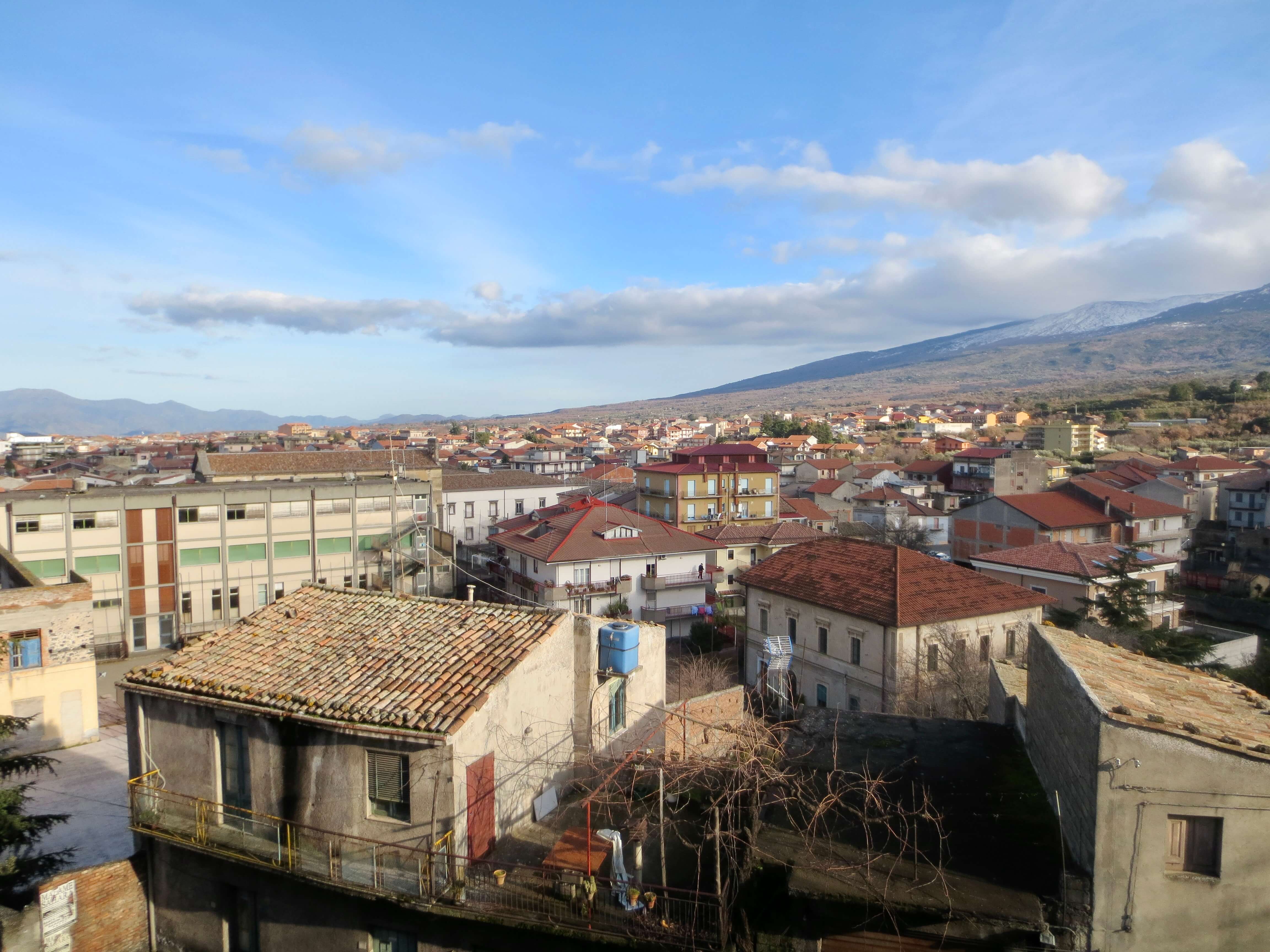 The areas around Mount Etna are one of the places where having a car is useful. There are many small towns and wineries, among other things.
Insurance Explained
Insurance is often the most confusing part of the contract. Your credit card may include a collision damage waiver, making the agency's CDW redundant. Yet better to verify that this coverage extends to Sicily and to the class of vehicles you've chosen.
The excess—that sum you remain liable for even with insurance—can reach stratospheric heights, sometimes fifteen hundred euros or more, and agencies will offer to reduce it for an additional daily fee that seems modest until multiplied across a week or fortnight.
Theft Protection (TP) operates similarly for stolen vehicles.
Super CDW or Full Coverage reduces the excess to zero, transforming a potential disaster into a mere inconvenience, but costs fifteen to thirty euros per day.
Personal Accident Insurance (PAI) covers medical expenses, which are often unnecessary if you have travel insurance or health coverage that extends abroad.
Third-party liability, mandatory by Italian law, covers damage you inflict on others and their property; verify this is included in your base rate, for it should be.
Some travelers purchase separate excess insurance from companies like Insurance4CarHire or iCarhireinsurance, paying perhaps forty euros for a week's coverage that would cost the agency one hundred forty; the catch is that you must pay any damages upfront and file a claim for reimbursement, a process that tests patience but saves money.
It is advisable to photograph the vehicle before departure, documenting every scratch, every dent, every blemish upon its carapace with the thoroughness of a forensic investigator.
This type of vehicle inspection protects against predatory practices by certain agencies that, upon return, discover damage that mysteriously escaped notice during the initial walkthrough.
Documents You'll Need
The documents required for car rental in Sicily follow standard European protocols.
You must present a valid driver's license held for at least one year, sometimes two, depending on the agency and your age; drivers under twenty-five often face surcharges or outright refusal, the actuarial tables deeming youth synonymous with risk.
If your license originates outside the European Union—from the United States, Canada, Australia, or similar jurisdictions—you should carry an International Driving Permit.
Some agencies claim they do not require it. Still, police checkpoints may ask for it, and the fine for driving without proper documentation can reach several hundred euros.
A credit card in the primary driver's name serves as both a payment method and a security deposit; debit cards rarely suffice, as agencies place a 500- to 1,500-euro hold for potential damage.
Bring your booking confirmation, your passport, and proof of insurance if you're declining the agency's coverage. By assembling these documents in a readily accessible folder, the transaction proceeds more smoothly, allowing you to produce each item without rummaging through them.
Learning the Signs
Here are some things, you'll encounter on the roads.
Learning the signs prevents confusion.
Blue signs indicate mandatory directions—turn here, proceed there, no entry beyond this point.
White signs provide information—distances to destinations, available services, and nearby historical sites.
Yellow signs mark temporary conditions—construction, detours, hazards.
The ZTL zones I mentioned earlier are marked by signs showing a red-and-white circle, sometimes accompanied by overhead cameras.
Speed limits hover at 50 kilometers per hour in towns, 90 on secondary roads, 110 on main highways, and 130 on autostrade. However, enforcement varies—some stretches bristle with automated cameras (autovelox), while others seem lawless, like the Wild West.
Roundabouts, those circular intersections that baffle Americans and comfort Europeans, require yielding to traffic already in the circle; signal your exit as you approach it, not before.
Parking becomes a strategic challenge in Sicily's historic centers and coastal towns.
Blue-lined spaces require payment, typically one to two euros per hour, purchased from machines that accept coins and sometimes cards; the ticket should be displayed on your dashboard.
White-lined spaces are free but rare in popular areas; yellow lines reserve spots for residents, taxis, or people with disabilities, and parking there can result in a ticket or tow.
Many towns maintain parking lots, charging three to five euros for the day, from which you walk into the center—an arrangement that spares you the stress of navigating medieval streets and the risk of ZTL violations.
In Palermo, guarded parking lots offer security for ten to fifteen euros per day, a worthwhile expense given the city's reputation for vehicle break-ins; never leave valuables visible in the car, not even a phone charger or sunglasses, for smashed windows cost more than the items stolen.
Some hotels include parking; others charge 5 to 20 euros nightly. Verify before booking, as street parking near your accommodation may prove impossible.
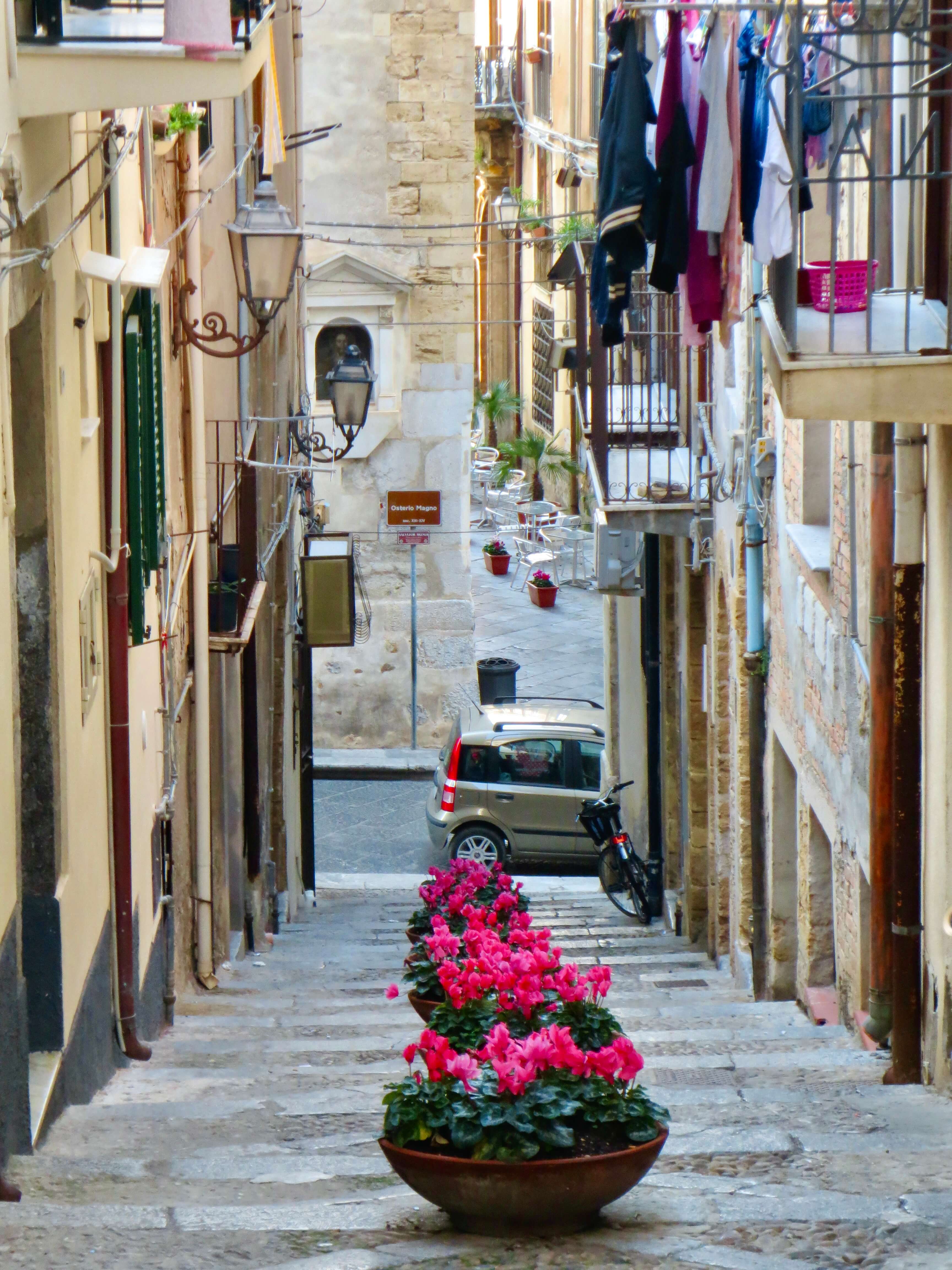
Car Rental in Sicily: Conclusion
Although there are risks to consider - and I have covered them plenty here - the practical advantages of car rental in Sicily are also at least as many.
Overall, it is crucial to understand the risks, but renting a car in Sicily also expands your freedom and options.
Public transportation exists—buses connect major towns, trains travel the coast—but reaching the island's most enchanting corners often requires transfers, waits, and compromises that can consume hours.
With a car, you depart when you choose, linger where you wish, detour on impulse to investigate a promising sign, or follow a recommendation from the proprietor of the agriturismo where you lunched.
Especially if your trip takes you to the south or west coast of the island, or to the interior, renting a car will pay for itself many times over. Many beautiful small towns and villages are difficult to reach without your own vehicle.
All in all, if you are an experienced driver, Sicily will not be a problem. In whichever country you are, the fundamentals remain the same. Don't overthink it, focus on what is happening around you, and everything will be fine.
(February 4, 2026)
You might like these:
Sicily Weather Around the Year
Sicily weather around the year. What to expect, when and where.
Is Sicily Safe to Travel? Tips to Ensure a Safe Trip
Is Sicily safe to travel? From navigating transportation to avoiding tourist scams, we've got you covered.
Best Time to Visit Sicily: Your Seasonal Guide
Find the best time to visit Sicily. Explore seasonal weather, crowds, prices, and highlights.
Weather in Sicily in January - What to Expect, How to Prepare
Weather in Sicily in January - Tips for making the most of your winter vacation
Symbol of Sicily: Unveiling the Past, Embracing the Future
Trinacria - The Symbol of Sicily: A delve into its rich history and cultural significance


Want more Sicily like this?
I post short cultural threads and decision-filters for slow travelers—so you can choose experiences without spiraling.
Follow:
Contact: vesa@manyfacesofsicily.com
Recent Articles


-
Markets in Palermo: Which Fits Your Day Best?
Jul 22, 26 03:54 PM
 Choose the right markets in Palermo, from Ballarò’s full sensory rush to Il Capo’s easier flow, plus what to eat and when to go.
 -
Things to do in Catania for a Slower Stay
Apr 12, 26 02:00 PM
 Use this honest guide to things to do in Catania if you want Sicily to feel lived-in, beautiful, and easier to navigate without overplanning.
 -
Things to Do in Palermo (Go Slow, Choose Well)
Mar 24, 26 01:14 PM
 Things to do in Palermo, curated for slow days: choose markets vs. museums, sea walks vs. catacombs, plus Monreale, Mondello, and Cefalù by train.